 Virginia Dowdell
 Protect Your Home with Expert Vero Beach Pest Control Solutions for Rodent Infestations

Rodent infestations are a common yet underestimated issue in many households. While the presence of these pests may seem like a minor inconvenience at first, ignoring the problem can lead to serious consequences. From structural damage to health risks, rodents pose hidden dangers that homeowners should address immediately.
Avoid Structural Damage with Expert Vero Beach Pest Removal
- Wiring Damage: Rodents frequently chew through electrical wires, increasing the risk of short circuits and even house fires.
- Insulation Destruction: They often tear up insulation for nesting purposes, which reduces your home’s energy efficiency.
- Foundation Issues: Rats burrow into walls and floors, potentially weakening the structural integrity of your house.
A single overlooked infestation can escalate into thousands of dollars in repair costs over time.
Protect Your Home from Rodents with a Trusted Pest Control Company Vero Beach
- Hantavirus: Spread through rodent droppings, urine, or saliva, this virus can cause severe respiratory illnesses.
- Salmonella: Contaminated food or surfaces due to rodent activity can lead to gastrointestinal distress.
- Leptospirosis: This bacterial infection is transmitted through contact with water contaminated by rodent urine.
The risks extend beyond direct exposure; rodent infestations attract other pests like fleas and ticks that further compromise your household’s health.
| Disease | Mode of Transmission | Primary Symptoms |
| Hantavirus | Droppings, urine | Fever, fatigue, respiratory issues |
| Salmonella | Contaminated food/surfaces | Nausea, diarrhea |
| Leptospirosis | Contact with contaminated water | Fever, muscle pain |
Rapid Reproduction Amplifies Risks
- A single female mouse can produce up to 10 litters per year.
- Each litter typically consists of 5–12 offspring.
- Within 6 weeks, newborn rodents reach reproductive maturity.
This exponential growth means that a small infestation today could turn into an overwhelming problem within months if left unchecked.
Signs You Shouldn’t Ignore
- Droppings near food sources or along walls.
- Gnaw marks on wires or furniture.
- Nesting materials such as shredded paper or fabric.
- Scratching noises coming from walls or ceilings.
- An unusual musky odor in enclosed spaces.
Addressing these signs promptly is essential for safeguarding both your home and health.
Prevention First: Steps Homeowners Can Take
- Seal all cracks and openings around doors, windows, and foundations using steel wool or caulk.
- Store food in airtight containers made from glass or heavy-duty plastic.
- Regularly clean under appliances where crumbs may accumulate unnoticed.
- Remove outdoor clutter such as woodpiles that could serve as hiding spots near your home perimeter.
By being proactive about prevention and addressing infestations early on through professional pest control services when necessary, you can protect both your home’s value and your family’s well-being effectively.
Prevent Structural Damage by Rodents with Expert Pest Control Vero Beach FL
Rodent infestations are not just an inconvenience; they can lead to severe structural damage in your home if left unchecked. These small creatures, such as rats and mice, have powerful teeth capable of chewing through a variety of materials. Understanding the potential for damage and taking preventive measures is key to safeguarding your property against their destructive tendencies.
Common Types of Structural Damage Caused by Rodents
- Chewed Electrical Wires
Rodents have a natural instinct to gnaw, and electrical wiring in your home is often a target. Damaged wires can lead to power outages, short circuits, or even fire hazards. - Holes and Gaps in Walls
Mice and rats often burrow into walls to create nesting areas. Over time, these holes weaken the structure of your walls, allowing pests easy access inside. - Damage to Insulation
Rodents frequently tear through insulation material for nesting purposes. This can result in reduced energy efficiency, leading to higher heating or cooling costs. - Compromised Plumbing Systems
Rats and mice are known to chew on plastic pipes or hoses. This could result in water leaks that cause costly repairs and increase the risk of mold growth.
Materials Susceptible to Rodent Damage
| Material | Examples of Damage |
| Electrical Components | Chewed wires causing fire risks or power failures |
| Wood | Baseboards, furniture legs, door frames |
| Plastic | Piping systems, storage containers |
| Insulation | Shredded for bedding material |
| Fabrics | Upholstery, clothing stored in closets |
Long-Term Risks of Ignoring Structural Damage
- Weakened Foundations: Persistent burrowing under foundations can destabilize your home’s base.
- Fire Hazards: Exposed electrical wires pose serious fire risks.
- Water Damage: Compromised plumbing systems may result in hidden leaks that promote mold growth.
- Decreased Property Value: Visible rodent damage may deter potential buyers and reduce appraisal values.
Preventive Measures to Protect Your Home
- Seal Entry Points: Inspect for cracks or holes around doors, windows, vents, and utility lines; seal them with caulk or steel wool.
- Remove Food Sources: Store food items securely in airtight containers made from glass or metal.
- Use Proper Storage Solutions: Keep clutter like cardboard boxes off floors where rodents might nest.
- Regular Maintenance Checks: Inspect attics, basements, and crawlspaces periodically for signs of pests.
- Engage Professional Services: A licensed pest control provider can identify vulnerabilities in your home and eliminate infestations early.
By addressing rodent infestations quickly and implementing these preventive measures, you can protect both the structural integrity of your house and its long-term value while maintaining a safe living environment for you and your family.
Understanding Health Hazards Posed by Rodent Infestations in Residential Spaces
Rodent infestations in your home are not just a nuisance; they pose significant health risks to you and your family. These small creatures may seem harmless at first glance, but they are carriers of multiple pathogens and bacteria that can lead to serious diseases. It is essential to understand the health hazards associated with rodent infestations and take preventive measures to protect your household.
Common Diseases Spread by Rodents
- Hantavirus Pulmonary Syndrome (HPS): Transmitted primarily through inhaling dust contaminated with rodent droppings or urine.
- Leptospirosis: Caused by bacteria found in water contaminated with infected rodent urine.
- Salmonella: Spread when rodents contaminate food or surfaces in your kitchen or pantry.
- Lymphocytic Choriomeningitis Virus (LCMV): Contracted through exposure to the saliva, urine, or nesting materials of infected mice.
The presence of these diseases underscores the importance of maintaining a rodent-free environment at home.
Allergies and Asthma Triggers
Rodent infestations can aggravate allergies and respiratory issues, especially for individuals who are sensitive to allergens. Mouse droppings, dander, and hair particles are known triggers for asthma attacks. When disturbed during cleaning or moving items around, these allergens can become airborne and affect indoor air quality.
Signs Your Home’s Air May Be Affected by Rodents:
– Increased coughing or wheezing among family members
– Symptoms of allergy flare-ups such as sneezing or nasal congestion
– An unusual musty odor near walls, cabinets, and crawl spaces
Contaminated Food & Water Sources
Rodents often invade kitchens and pantries seeking food. In doing so, they leave behind feces, urine, and hair on food packaging or directly on consumables. Consuming contaminated food increases the risk of gastrointestinal illnesses like Salmonella poisoning.
To mitigate contamination risks:
– Store dry goods in airtight containers.
– Regularly inspect kitchen areas for signs of rodent activity such as gnawed packaging.
– Dispose of expired foods responsibly to avoid attracting pests.
| Preventive Measure | Benefit |
| Use sealed containers | Prevents rodents from accessing stored items |
| Clean countertops daily | Reduces crumbs that attract rodents |
| Repair leaks immediately | Removes water sources essential for survival |
Proactive Measures Against Health Risks
To safeguard your home from these health hazards:
1. Conduct regular inspections for signs of infestation such as gnaw marks, droppings, or burrows.
2. Seal entry points like cracks under doors or holes in walls that provide access for rodents.
3. Ensure proper sanitation practices within your household to eliminate factors that attract pests.
By addressing infestations promptly and maintaining a clean living environment, it becomes possible to significantly reduce the threat posed by rodents to your family’s health.
The Rapid Reproduction of Rodents: Why Immediate Pest Control Matters
Rodents, such as rats and mice, are notoriously prolific breeders. Their rapid reproduction poses a significant threat to homeowners because even a small infestation can quickly grow out of control. Understanding their breeding habits, the risks associated with unchecked growth, and the importance of prompt pest control can help mitigate the damage they cause.
Rodent Reproduction Rates
- Gestation period: Approximately 19-21 days
- Litter size: 6-12 pups per litter
- Breeding frequency: Every 3 weeks under optimal conditions
- Offspring maturity: Mice reach reproductive age within 4-6 weeks
- Gestation period: Around 21-24 days
- Litter size: Typically between 6-12 pups per litter
- Breeding frequency: Every month if food and shelter are available
- Offspring maturity: Rats can reproduce after just two months
Given these statistics, a single pair of rodents can lead to hundreds of offspring in less than a year. The sheer speed at which populations grow highlights why swift action is essential when dealing with infestations.
Risks of Ignoring Rapid Rodent Reproduction
- Increased Structural Damage
Rodents chew on wood, electrical wiring, pipes, and insulation materials. As their numbers grow, the extent of the structural damage they cause increases significantly. This could lead to costly repairs or even safety hazards like electrical fires. - Food Contamination
A larger rodent population means more contamination in your kitchen or pantry as rodents chew through food packaging and leave behind droppings or saliva. This contamination poses serious health risks. - Health Hazards
Growing infestations spread diseases such as hantavirus, leptospirosis, salmonellosis, and lymphocytic choriomeningitis virus (LCMV). An unchecked population increases exposure to these threats. - Difficulty in Eradication
The larger an infestation becomes over time, the harder it is to eliminate it completely using DIY methods or traditional traps alone.
Why Immediate Pest Control Is Crucial
To effectively manage rodent infestations before they spiral out of control, timely pest control measures should be implemented as soon as you detect signs of activity. Contact Vero Beach Pest Control now if you need professional help with pest infestations in Vero Beach, FL. Common indicators include droppings, gnaw marks on furniture or walls, scratching noises at night, and chewed food packaging.
| Action | Benefit |
| Quick identification | Prevents rodents from reproducing further by addressing entry points early |
| Professional intervention | Ensures effective elimination through targeted treatments for nests |
| Long-term prevention measures | Reduces future risks by sealing gaps and offering tailored advice |
Proactive Steps You Can Take Today
- Seal cracks or holes in walls with steel wool or caulking.
- Store food in airtight containers made from glass or metal.
- Regularly clean areas where crumbs accumulate (e.g., under appliances).
- Remove sources of standing water inside and outside the home.
- Declutter spaces like attics or basements that provide ideal nesting spots.
By addressing rodent issues promptly and combining preventive measures with expert assistance when needed, you protect both your property’s integrity and your family’s health from avoidable risks linked to unchecked rodent populations.
How Rodents Can Trigger Allergies and Respiratory Issues in Your Family

Rodents such as rats and mice are more than just unwelcome guests in your home. While their presence can cause structural damage and food contamination, they also pose significant health risks by triggering allergies and respiratory problems in humans. Understanding how rodents contribute to these issues can help you take proactive steps to protect your family.
Common Allergens Linked to Rodents
Individuals with pre-existing conditions such as asthma may experience worsened symptoms due to prolonged exposure to rodent allergens.
Respiratory Issues Caused by Rodent-Borne Pathogens
- Hantavirus is transmitted through contact with rodent droppings, urine, or saliva. Airborne transmission occurs when these contaminants are stirred up into the air.
- Symptoms of HPS include fever, muscle aches, coughing, and difficulty breathing.
- Rodents often carry salmonella bacteria that cause gastrointestinal distress but may also lead to secondary respiratory infections if left untreated.
- Dust mites feed on rodent feces, compounding allergen levels within the home. This increases the risk of asthma flare-ups caused by poor indoor air quality.
Vulnerable Groups at Risk
| Vulnerable Group | Reason for Increased Risk |
| Children | Developing immune systems make children more susceptible to the effects of allergens and airborne pathogens |
| Elderly | Aging bodies often have compromised immunity or pre-existing conditions that exacerbate reactions |
| Immunocompromised | Individuals with weakened immune systems struggle to fight off infections caused by bacteria and viruses carried by rodents |
Preventive Measures for a Safer Home Environment
- Seal all entry points such as cracks or gaps around doors and windows.
- Regularly clean areas where food is stored or prepared to eliminate crumbs that attract rodents.
- Use airtight containers for storing pantry items like grains and cereals.
- Invest in professional pest control services for thorough inspections and removal of infestations.
- Replace HVAC filters frequently to improve indoor air quality.
By addressing potential rodent infestations promptly, you reduce the likelihood of exposing your family members to harmful allergens and respiratory threats while maintaining a healthier living environment.
Protect Your Pantry from Pests with an Exterminator Vero Beach FL
Rodents and pests can pose a significant threat to the cleanliness and safety of your pantry. These unwelcome intruders not only consume food but also leave behind contaminants that jeopardize your household’s health. Understanding how pests can compromise the quality of your stored food is essential to maintaining a safe and hygienic home environment.
How Rodents Contaminate Food
- Droppings and Urine: Rodents defecate and urinate wherever they scavenge, leaving harmful pathogens on or near stored food.
- Chewing Through Packaging: By gnawing on boxes or bags, rodents expose food to bacteria, dirt, and other contaminants.
- Hair Shedding: Rodent fur can end up in improperly sealed containers, further compromising hygiene.
- Spread of Disease: Rodents carry pathogens that can cause diseases such as salmonella or hantavirus when they come into contact with your pantry supplies.
Common Foods at Risk
| Food Category | Example Items | Risk Level |
| Grains & Cereals | Rice, oatmeal, pasta | High |
| Snacks | Chips, cookies | Moderate |
| Pet Food | Dry kibble | High |
| Nuts & Seeds | Almonds, sunflower seeds | High |
| Sugary Products | Candy, chocolates | Moderate to High |
Keeping these items properly stored in pest-proof containers is critical for preventing contamination.
Health Risks Associated with Contaminated Food
- Salmonella Infection: Eating contaminated grains or other products may result in symptoms like nausea, vomiting, diarrhea, and fever.
- Hantavirus Pulmonary Syndrome (HPS): This rare but dangerous illness can be contracted by ingesting or inhaling particles from rodent droppings or urine residue present near your food supply.
- Leptospirosis: A bacterial infection spread via rodent urine that may lead to kidney damage or liver failure in severe cases.
Preventative Measures
- Use airtight containers made from glass or heavy-duty plastic.
- Avoid leaving open packages unattended longer than necessary.
- Regularly clean shelves to remove crumbs and spilled liquids that may attract pests.
- Dispose of expired items promptly.
- Look for signs of infestation such as droppings, gnawed packaging, or unfamiliar odors.
- Inspect walls around the pantry area for holes where pests might enter.
- Use caulk or steel wool to seal any openings.
- If an infestation persists despite preventive measures, professional pest control services can help you eradicate the problem effectively.
By understanding how pests compromise the safety of your pantry—and taking proactive measures—you can protect your household’s health while preserving peace of mind over the integrity of your stored goods.
Protecting Your Home Effectively with Professional Pest Control Services for Rodents
Rodents such as rats and mice are more than just unwelcome visitors. Their presence can lead to significant damage to your property, endanger your family’s health, and threaten the overall safety of your home. While do-it-yourself (DIY) solutions may seem cost-effective initially, professional pest control services offer comprehensive and lasting protection against rodent infestations. Here’s a closer look at why professional pest control services are essential and how they can safeguard your home effectively.
Why Professional Pest Control is Crucial
- Thorough Inspection and Identification
Professionals conduct a detailed inspection of your home to identify the type of rodents, the extent of the infestation, and potential entry points. This targeted approach ensures effective treatment rather than relying on generic solutions. - Customized Treatment Plans
Unlike one-size-fits-all DIY methods, pest control experts create customized strategies based on the unique needs of your property. They consider factors such as the type of infestation, structural vulnerabilities, and surrounding environment. - Use of Advanced Tools and Safe Products
Experts utilize advanced tools for trapping and removing rodents while using environmentally friendly products that are safe for humans and pets. - Prevention Strategies
Beyond removal, professional services focus on prevention by sealing entry points, installing deterrents, and offering advice on property maintenance to reduce future infestations.
Key Benefits of Hiring Professionals
| Benefit | How It Helps |
| Expert Knowledge | Professionals understand rodent behavior in-depth to address root causes effectively. |
| Time Efficiency | Faster eradication compared to trial-and-error DIY methods. |
| Long-Term Protection | Ensures rodents don’t return by addressing underlying issues like nesting sites or food sources. |
| Health Preservation | Reduces exposure to diseases carried by rodents such as Hantavirus or Salmonella. |
Steps Taken by Professional Pest Control Services
- Inspection: A thorough evaluation identifies signs of infestation (droppings, gnaw marks) and determines entry points.
- Trapping or Baiting: Depending on severity, traps or bait stations are strategically placed.
- Sanitation Recommendations: Experts guide homeowners in cleaning areas contaminated by rodents to prevent lingering health risks.
- Exclusion Tactics: Sealing cracks in walls or foundation gaps eliminates potential access points.
- Follow-Up Visits: Periodic checks ensure that rodents do not return after initial treatment.
How You Can Support Preventive Measures
- Store food in airtight containers to eliminate easy access for pests.
- Regularly inspect areas prone to rodent activity such as basements or attics.
- Dispose of garbage properly in sealed bins.
- Eliminate standing water sources that attract pests.
- Trim trees or shrubs near windows or roofs that may act as pathways into your home.
Investing in professional pest control services is essential for maintaining a safe living environment free from rodents’ damaging effects on health and structure alike. When combined with proactive habits at home, expert intervention ensures comprehensive protection for years to come—providing peace of mind for you and your family without compromises on safety or effectiveness.
Where Do Bats Go During Winter and How to Keep Them Out of Your Home
Bats are fascinating creatures that play a crucial role in maintaining ecosystems by controlling pests and pollinating plants. However, when they find their way into your home, they can cause significant issues for both your property and health. Understanding where bats go during winter and implementing measures to keep them out of your living spaces is essential for a safe and bat-free home.
Where Do Bats Go During Winter?
Most bat species in temperate climates prepare for winter either by hibernating or migrating. Their behavior depends on the species and the availability of suitable hibernation sites.
- Hibernating Bats
Many bats hibernate during the colder months when food sources like insects become scarce. They seek out warm, sheltered spaces with stable temperatures to conserve energy. Common hibernation spots include: - Caves
- Abandoned mines
- Hollow trees
- Attics or wall voids in homes
- Migratory Bats
Some bat species migrate to warmer regions during winter to avoid harsh weather conditions. These bats travel long distances to areas where they can find food or suitable roosting sites.
Why Keep Bats Out of Your Home?
- Bat droppings, also known as guano, can grow harmful fungi that may lead to histoplasmosis—a respiratory infection.
- Some bats carry rabies, which can be transmitted through bites or scratches.
- Structural Damage:
Bat guano is acidic and can corrode wood, insulation, and other materials over time, leading to costly repairs. - Pests Within Pests:
Bats often bring mites or fleas into homes, which could infest other areas of your living space.
How to Keep Bats Out of Your Home
- Seal Entry Points: Inspect your home for cracks, gaps, or openings that could allow bats inside:
- Use caulk or steel wool for small gaps.
- Install weather stripping around doors.
- Ensure attic vents are properly screened.
- Install Bat Exclusion Devices: These one-way devices allow bats to exit but prevent them from re-entering. This method is particularly useful during non-hibernation months when colonies are active.
- Maintain Outdoor Spaces: Make your property less attractive by:
- Trimming overhanging tree branches near roofs.
- Reducing outdoor lighting that attracts insects (a primary food source).
- Use Professional Services: If you suspect a bat infestation or need help preventing one:
- Hire licensed pest control experts familiar with humane exclusion methods.
- Avoid handling bats directly without professional assistance due to health risks.
Table: Key Differences Between Hibernating & Migratory Bats
| Aspect | Hibernating Bats | Migratory Bats |
| Behavior | Stay in one location during winter | Travel long distances to warmer regions |
| Typical Locations | Caves, mines, attics | Southern climates with abundant food sources |
| Seasonal Activity | Minimal | Active |
| Risk Inside Homes | Higher (may use attics as hibernation spots) | Lower (less likely found indoors during winter) |
By understanding bat behavior during winter and implementing preventative strategies tailored to their habits, you can safeguard your home from unwanted intrusions while respecting these vital creatures’ role in nature.
- Protect Your Home with Expert Vero Beach Pest Control Solutions for Rodent Infestations
- 3 Reasons Why Vero Beach Pest Control is Crucial for Effective Pest Elimination
- Expert Tips from an Exterminator Vero Beach FL on Managing Seasonal Pest Control Challenges
- Effective Vero Beach Pest Control Strategies for Dealing with Different Pests
- Common Pest Control Myths in Vero Beach FL and How to Avoid Them
- How an Exterminator Vero Beach FL Can Help Prevent Pest Infestations Through Odor Control
- Effective Vero Beach Pest Removal: Why Mice Keep Coming Back and How to Eliminate Them
- How to Prevent Recurring Pest Problems with Expert Pest Control Vero Beach FL
3 Reasons Why Vero Beach Pest Control is Crucial for Effective Pest Elimination
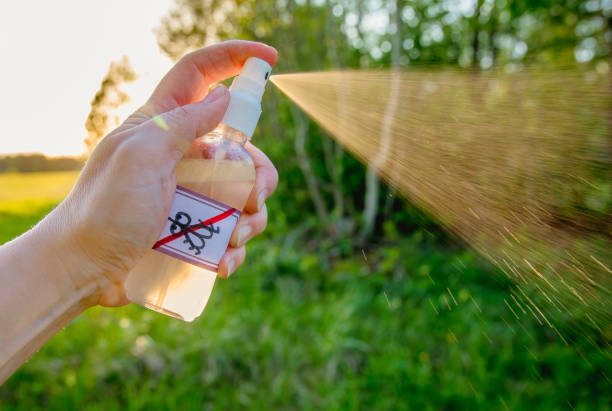
When it comes to pest infestations, time is of the essence. Delaying action can lead to significant consequences for your home, health, and wallet. Below are three compelling reasons why addressing a pest problem promptly is essential for effective elimination.
1. Rapid Reproduction Compounds the Problem
Many pests, including rodents, insects, and other nuisances, reproduce at an alarming rate. Failing to act quickly can allow their population to grow exponentially in a short period of time.
- Rodents: A pair of mice can produce up to 60 offspring in a single year.
- Cockroaches: Some species lay egg cases containing dozens of eggs that hatch within weeks.
- Bed Bugs: These insects multiply rapidly, with females laying up to 500 eggs over their lifetime.
Ignoring the problem allows pests to establish themselves deeply within your property, making eradication more complicated and costly.
2. Pests Can Cause Extensive Property Damage
| Pest Type | Type of Damage |
| Termites | Feed on wooden structures and furniture |
| Rodents | Chew through wires, drywall, insulation |
| Carpenter Ants | Bore into wood while creating tunnels |
| Silverfish | Destroy books, wallpaper, clothing |
Addressing an infestation early ensures that repairs remain manageable and prevents long-term damage from escalating into expensive renovations.
3. Protecting Health and Hygiene
- Rodents can carry pathogens like hantavirus or salmonella through droppings or contact with food sources.
- Cockroaches leave behind droppings that trigger asthma attacks or allergic reactions in sensitive individuals.
- Mosquitoes breed indoors when standing water is available and may spread illnesses like West Nile virus or dengue fever.
Eliminating pests at the earliest sign keeps your living environment hygienic while mitigating health risks for family members and pets alike.
Preventative Action Makes a Big Difference
- Seal cracks and gaps around windows, doors, and foundations.
- Store food in airtight containers.
- Keep your home clean and clutter-free to remove potential hiding spots.
Acting fast not only saves time but also spares you from unnecessary stress caused by worsening infestations or preventable damages. Staying vigilant is key when it comes to effective pest management strategies long-term.
Effective Pest Control Vero Beach FL: Protect Your Home and Health
Pests are more than just a nuisance; they can pose significant health risks to you and your family. Many common household pests are carriers of harmful bacteria, pathogens, and allergens that can lead to illnesses or exacerbate existing health conditions. Below is an in-depth look at some of the health hazards associated with these unwelcome invaders.
Diseases Transmitted by Household Pests
- Rodents (Mice and Rats):
Rodents can carry diseases such as hantavirus, leptospirosis, and salmonella. Hantavirus is particularly dangerous as it can lead to severe respiratory distress if inhaled through contaminated rodent droppings or urine. - Cockroaches:
Cockroaches are known for spreading bacteria like E. coli and Salmonella, which can contaminate food preparation areas. Their droppings and shed skin can also trigger asthma attacks or allergic reactions in sensitive individuals. - Mosquitoes:
These insects are infamous for transmitting serious illnesses such as malaria, dengue fever, West Nile virus, and Zika virus. - Ticks:
Ticks may carry Lyme disease and Rocky Mountain spotted fever. Both conditions require immediate medical intervention to avoid long-term complications.
| Pest Type | Common Diseases Spread | Mode of Transmission |
| Rodents | Hantavirus, Leptospirosis | Droppings, urine |
| Cockroaches | Salmonella, E. coli | Contaminated food surfaces |
| Mosquitoes | Malaria, Dengue Fever | Bites |
| Ticks | Lyme Disease | Bites |
Allergens from Pests
- Dust Mites: These microscopic arachnids thrive in bedding and upholstered furniture. Their waste products trigger allergies in many individuals.
- Cockroach Allergens: The saliva, excrement, and body parts of cockroaches contain proteins that contribute to indoor allergens.
- Rodent Dander: Hair sheds from rodents may worsen respiratory problems or cause sneezing fits.
Secondary Health Complications
- Food Contamination: Pests like ants and flies have a knack for reaching your food supplies unnoticed. Their presence risks contamination that could lead to stomach illnesses.
- Skin Irritation: Bed bugs and fleas often leave itchy bites on human skin that may result in swelling or infections due to scratching.
- Mental Stress: Constant pest infestations often lead to anxiety over cleanliness issues or potential health problems within the household environment.
Steps To Minimize Health Risks from Pests
- Keep your living spaces clean by regularly vacuuming floors and wiping down surfaces.
- Store food in airtight containers to prevent contamination.
- Seal cracks around windows, doors, pipes, and vents where pests might gain entry.
- Schedule routine pest inspections with professionals for early detection of infestations.
- Eliminate standing water around your home as it attracts mosquitoes.
By understanding these risks better and taking proactive steps toward pest prevention and control measures at home, you reduce the likelihood of exposure while maintaining a healthier living environment year-round.
Top 3 Reasons to Hire an Exterminator Vero Beach FL for Fast Pest Elimination
Pest infestations can escalate quickly, turning a minor inconvenience into a major problem if left unaddressed. Acting promptly to deal with pests is crucial for several reasons, ranging from mitigating property damage to protecting your health. Below are three key reasons why swift action against pests is essential.
1. Preventing Property Damage
Pests can cause extensive and costly damage to your property if not eliminated in time. Many common household pests target specific materials in your home, leading to gradual but significant destruction.
- Termites: Termites feed on wood and can weaken the structural integrity of your home over time. A small infestation can spread rapidly, requiring expensive repairs.
- Rodents: Rats and mice are notorious for chewing through electrical wiring, insulation, and walls. This not only damages your property but also increases the risk of electrical fires.
- Carpenter Ants: Similar to termites, carpenter ants burrow into wooden structures and furniture, causing long-term damage.
Regular inspections and immediate intervention can save homeowners from bearing high repair costs down the line.
2. Containing Population Growth
Most pests reproduce at a rapid rate, making early detection and quick action critical in controlling their population before it becomes unmanageable.
- A single female German cockroach can produce up to 400 offspring in just six months.
- One pair of mice can lead to dozens of offspring in a year due to their short reproductive cycles.
Delaying pest control measures allows these populations to grow exponentially, turning what could have been an isolated incident into a full-blown infestation.
3. Protecting Health and Hygiene
Many pests pose significant health risks by transmitting diseases or contaminating food sources within your home. Swift action helps reduce exposure to these hazards.
- Cockroaches: These insects carry bacteria like Salmonella and E. coli on their bodies, which they spread across surfaces and food items.
- Rodents: Rodents are known carriers of diseases such as Hantavirus and Leptospirosis through their droppings or urine.
- Bed Bugs: While bed bugs don’t transmit diseases directly, their bites can lead to allergic reactions or secondary infections due to scratching.
Addressing pest issues immediately not only ensures a safer living environment but also minimizes medical expenses associated with pest-related illnesses.
Effective Vero Beach Pest Removal Tips for Quick Action
- Identify the type of pest – This determines the best course of action for elimination.
- Contact professional exterminators – Experts have specialized tools and treatments for efficient removal.
- Remove attractants – Dispose of trash properly, seal food containers tightly, and fix leaks that might attract pests.
- Seal entry points – Inspect windows, doors, vents, and other openings where pests may enter your home.
- Use traps or deterrents – For immediate relief against rodents or insects while awaiting professional assistance.
| Pest Type | Key Damage Caused | Recommended Action |
| Termites | Structural wood damage | Professional fumigation |
| Rodents | Chewed wires & fire risk | Bait traps + sealing entry points |
| Cockroaches | Food contamination & bacteria | Targeted pesticide treatments |
| Bed Bugs | Skin irritation from bites | Heat treatments + vacuuming |
Timely intervention plays a pivotal role in minimizing both financial costs and health risks caused by pest infestations. By recognizing early warning signs and acting quickly with appropriate measures—whether DIY steps or professional help—you safeguard your home from escalating damages while ensuring peace of mind.
Effective Tips from a Pest Control Company Vero Beach to Prevent Future Infestations
Preventing pest infestations requires a proactive approach. By implementing effective strategies, you can safeguard your home from unwanted pests and the problems they bring. Below are some practical tips and methods to keep your space pest-free year-round.
Maintain Cleanliness
- Wipe down kitchen counters and dining tables after every meal.
- Sweep or vacuum floors regularly to remove food particles.
- Avoid leaving dirty dishes in the sink overnight.
- Empty kitchen cabinets and clean them thoroughly.
- Check behind appliances like refrigerators and stoves for hidden debris.
- Wash pet bedding regularly as it can attract fleas or mites.
Proper Food Storage

| Food Type | Storage Recommendation |
| Dry goods (e.g., rice, flour) | Airtight containers made of glass or plastic |
| Fresh produce | Refrigerate or store in sealed containers |
| Pet food | Keep in sealed bins; avoid leaving bowls out overnight |
Seal Entry Points
- Inspect windows, doors, walls, and floors for any visible cracks or holes.
- Use caulk or weather stripping to seal gaps around windows and door frames.
- Install mesh screens on vents and chimneys to block insects from entering while maintaining ventilation.
Eliminate Standing Water Sources
- Repair leaky faucets, pipes, or air conditioning units immediately.
- Empty unused buckets or containers that collect water.
- Ensure proper drainage around your property by cleaning gutters regularly.
Regular Inspections
- Check basements, attics, and crawl spaces for droppings or nests.
- Look for gnaw marks on furniture or walls caused by rodents.
- Monitor window sills for dead insects that may indicate an indoor infestation.
Professional Preventative Measures
- Schedule periodic pest control treatments with licensed professionals.
- Request a home inspection from an expert who can identify vulnerabilities unique to your property.
- Consider using non-toxic sprays or repellents recommended by professionals if children or pets are present.
By following these tips consistently, you’ll be better equipped to prevent future infestations while ensuring a healthier living environment for all members of your household.
Four Pesky Insects That Are Surprisingly Difficult to Get Rid Of
Pests can be a nuisance in any home, but some insects are notoriously hard to eliminate due to their resilience and adaptive behaviors. Below, we explore four of the most challenging insects to manage and why they demand extra effort for complete eradication.
1. Cockroaches
Cockroaches are one of the most resilient pests, often requiring multiple strategies to control effectively. Their ability to adapt and thrive in almost any environment makes them particularly challenging.
Why cockroaches are difficult to eliminate:
– They can survive without food for a month and without water for up to a week.
– They reproduce rapidly, with one female producing dozens of offspring at a time.
– Cockroaches hide in cracks, crevices, and dark areas that are hard to access.
Strategies for control:
– Seal all entry points such as gaps around doors and windows.
– Regularly clean areas where food is prepared or stored.
– Use bait stations or professional-grade insecticides targeted specifically at roaches.
2. Bed Bugs
Bed bugs have become one of the most infamous household pests due to their ability to quickly infest homes and their resistance to many traditional treatments.
Why bed bugs are hard to get rid of:
– They hide in small crevices during the day, making them difficult to locate.
– Bed bugs can go months without feeding on blood, allowing them to survive even in empty spaces.
– Many have developed resistance to common chemical treatments.
Effective bed bug removal tips:
– Wash bedding, linens, and clothing in hot water regularly.
– Vacuum mattresses, furniture seams, and baseboards thoroughly before sealing the vacuum bag tightly for disposal. – Consider hiring professional pest control services that use heat treatments or specialized insecticides.
3. Ants (Carpenter Ants & Argentine Ants)
Ant infestations may seem minor at first glance but controlling certain species like carpenter ants or Argentine ants is surprisingly tough due to their colony structures and nesting habits.
Why ants present challenges:
– Carpenter ants can damage wood structures by tunneling through them.
– Argentine ants form super colonies that span large areas, making eradication complex.
– Ant trails make it easy for new colonies or reinforcements from neighboring areas to invade after initial treatment efforts.
Ant prevention methods:
| Prevention Tip | Details |
|———————————-|————————————————–|
| Eliminate food sources | Store sugary foods securely; clean spills quickly.|
| Seal cracks | Block entry points around windowsills & doors |
| Use bait traps | Place traps along ant trails instead of spraying directly.|
4. Fleas
Fleas are small but persistent pests often brought into homes by pets or wildlife nearby. Their rapid reproduction cycle makes comprehensive flea removal essential.
Challenges with flea infestations:
– Flea eggs can remain dormant for months before hatching under favorable conditions.
– Treating only adult fleas leaves eggs intact until they develop into new generations.
– Pets act as carriers that reintroduce fleas despite initial cleaning efforts.
Steps for flea management:
1. Treat your pets using veterinarian-recommended flea prevention products.
2. Vacuum carpets thoroughly (including corners) on a daily basis during treatment phases.
3. Wash pet bedding frequently using hot water settings.
4. Apply insect growth regulators (IGRs) which disrupt flea life cycles effectively while being safe indoors when handled properly.
By understanding the unique challenges posed by these insects and adopting targeted strategies tailored specifically towards each type’s behavior patterns ensures better long-term results when battling stubborn pest invasions at home
The Importance of Sealing Entry Points to Keep Pests Out Year-Round
One of the most effective ways to mitigate pest issues in your home is by sealing entry points. Small cracks, gaps, and openings in walls, windows, doors, or the foundation often serve as open invitations for pests like rodents, insects, and even birds. By addressing these vulnerabilities, you can significantly reduce the likelihood of infestations year-round.
Why Sealing Entry Points Matters
- Prevents Pest Access: Most pests require only tiny gaps to enter your home. For instance:
- Mice can squeeze through openings as small as a dime.
- Ants can infiltrate even minuscule cracks.
- Cockroaches are adept at finding any unsealed crevice.
- Reduces Recurring Infestations: Once an entry point is identified and exploited by pests, they are likely to return unless you address the breach effectively.
- Improves Energy Efficiency: Gaps and openings not only allow pests inside but also let heated or cooled air escape. Sealing these points helps maintain indoor temperatures while lowering energy bills.
Common Entry Points to Inspect
| Area | Potential Issues |
| Windows & Doors | Cracks around frames, damaged weatherstripping |
| Foundation | Gaps near pipes or utility lines |
| Roof & Attic | Holes around vents or missing shingles |
| Walls | Openings near electrical outlets or light fixtures |
| Garage | Poorly sealed doors or gaps near floor edges |
Steps to Effectively Seal Entry Points
- Conduct a Thorough Inspection
Walk the perimeter of your home and inspect all interior spaces where light, air drafts, or moisture seep through. - Use Appropriate Materials
Depending on the type of gap or crack you’re addressing: - Apply silicone caulk for small cracks around windows and doors.
- Use steel wool for rodent-prone areas before sealing with foam insulation.
- Install weatherstripping on door thresholds and windowsills.
- Repair Damaged Structures
Replace damaged screens on windows or vents and repair broken siding panels as needed. - Install Barriers
Consider installing mesh covers over chimneys, air vents, and drainpipes to block pest access without obstructing airflow. - Recheck Annually
Outdoor conditions such as seasonal weather changes may create new openings over time. Make inspections part of your yearly maintenance routine.
Benefits Beyond Pest Control
Sealing entry points doesn’t just improve pest management—it also contributes to a healthier living environment by reducing allergens that pests may introduce. Furthermore, it safeguards against moisture intrusion that could lead to mold growth or wood rot over time.
Investing time in identifying and sealing potential entry points is one of the simplest yet most effective preventive measures against pest infestations throughout the year. This proactive approach ensures long-term peace of mind while protecting both your property and health from unnecessary risks associated with invading pests.
Why You Keep Finding Cobwebs and How to Address the Underlying Issue
Cobwebs are a common sight in many homes, especially in corners, ceilings, and less frequently cleaned areas. While they may seem like mere nuisances, cobwebs are often signs of an underlying pest issue—spiders. Understanding why cobwebs appear and taking steps to address their root cause can help you maintain a cleaner and more pest-free home.
Why Do Cobwebs Appear?
- Presence of Prey: Spiders build webs where they detect a food source. If you notice cobwebs regularly, it could mean other pests such as flies, mosquitoes, or ants are present in your home.
- Undisturbed Spaces: Areas that are not cleaned or accessed frequently—like basements, attics, closets, and high corners—are prime locations for spider activity.
- Seasonal Activity: Spiders often become more active during certain seasons, particularly late summer and early fall when they seek shelter indoors to escape cooler weather.
Common Spider Species Found Indoors
| Spider Species | Web Type | Common Locations | Risk Level |
| House Spider | Irregular web | Corners of ceilings | Low |
| Cellar Spider | Tangle web | Basements, crawl spaces | Low |
| Black Widow | Irregular web | Garages, sheds | High (venomous) |
| Brown Recluse | Irregular web | Closets, attics | High (venomous) |
Steps to Address the Underlying Issue
- Inspect your home for signs of other pest infestations that may attract spiders. Look for food crumbs, moisture buildup, or access points where insects may enter.
- Check high corners and dark areas for both active spiders and their webs.
- Use a vacuum or duster to remove cobwebs from walls, ceilings, furniture edges, and light fixtures.
- Pay special attention to seldom-used spaces like storage rooms or behind large furniture pieces.
- Seal cracks in walls, window frames, foundations, and doorframes with caulk or weather stripping.
- Install fine mesh screens on vents and windows to prevent both spiders and their prey from entering.
- Outdoor lighting can attract insects that spiders feed on. Use yellow “bug lights” that deter insects or position lighting away from entryways.
- Consider using essential oils like peppermint or tea tree oil as natural repellents; spiders dislike strong scents.
- For persistent issues with venomous species like black widows or brown recluses, consult professional pest control services.
By addressing these factors systematically—cleaning existing webs while eliminating food sources and sealing access points—you can significantly reduce cobweb occurrences in your living space. Regular maintenance is key to keeping your home free of spider-related nuisances year-round.
- Protect Your Home with Expert Vero Beach Pest Control Solutions for Rodent Infestations
- 3 Reasons Why Vero Beach Pest Control is Crucial for Effective Pest Elimination
- Expert Tips from an Exterminator Vero Beach FL on Managing Seasonal Pest Control Challenges
- Effective Vero Beach Pest Control Strategies for Dealing with Different Pests
- Common Pest Control Myths in Vero Beach FL and How to Avoid Them
- How an Exterminator Vero Beach FL Can Help Prevent Pest Infestations Through Odor Control
- Effective Vero Beach Pest Removal: Why Mice Keep Coming Back and How to Eliminate Them
- How to Prevent Recurring Pest Problems with Expert Pest Control Vero Beach FL
Expert Tips from an Exterminator Vero Beach FL on Managing Seasonal Pest Control Challenges
Seasonal fluctuations in pest control demand are an inherent part of the industry. Understanding these fluctuations and their impacts is critical for pest control businesses to remain efficient, profitable, and adaptable throughout the year. This piece explores why pest activity levels change with seasons, how these changes impact your business, and how to effectively manage them for long-term success.
Understanding Seasonal Trends in Pest Activity
Pest activity is heavily influenced by environmental factors like temperature, humidity, and food availability.
- Spring: As temperatures rise, insects like ants, termites, and wasps become more active. Rodents may also emerge more frequently from winter shelters in search of food.
- Summer: Warm months lead to increased activity from mosquitoes, flies, cockroaches, ticks, and other warm-weather pests seeking water and food sources.
- Fall: Cooler weather drives rodents such as mice and rats indoors while pests like spiders begin nesting inside homes or businesses for warmth.
- Winter: While insect activity generally decreases due to cold weather conditions outdoors, many pests move indoors into warmer spaces such as basements or attics.
These seasonal trends directly influence pest control service demand throughout the year.
How Seasonal Fluctuations Impact Your Business
Seasonal changes in pest behavior create peaks and valleys in demand for pest control services.
- Operational Challenges: During peak seasons (e. g., spring/summer), technicians may be overburdened with appointments. Conversely during slower periods (e. g., winter), under-utilization of resources becomes a concern.
- Revenue Variability: High seasonality can lead to cash flow inconsistencies if revenue is not effectively managed year-round.
- Customer Expectations: Clients expect swift responses during infestation surges which require proper planning to meet service demands efficiently.
Understanding these impacts allows businesses to proactively plan strategies addressing both high-demand seasons AND slower periods effectively.
Strategies for Managing Seasonal Fluctuations
1) Efficient Resource Allocation: Forecast upcoming workload patterns based historic data optimizing schedules accordingly ensuring adequate technician availability staff flexibility handling spikes workloads similarly prevent overstaffing during quieter months
2)Training Programs & Cross-skilling employees: Equip team members specialized awareness adapting varying environmental/habitat situations likely arise different times
Addressing Vero Beach Pest Removal to Protect Homes and Businesses
Winter may bring relief from some pests, but it also introduces its own unique challenges for both residential and commercial properties. Understanding the types of pest problems specific to colder months is essential for effective management. Below, we explore how winter pests behave, the risks they pose, and actionable steps to mitigate their impact.
Common Winter Pests
During winter, many pests seek shelter indoors to escape the cold.
- Rodents (mice and rats): These pests often invade homes and businesses to find food, warmth, and nesting materials.
- Cockroaches: Some species remain active year-round and are drawn to heated interiors.
- Spiders: While most spiders are harmless, their presence can be unsettling for occupants of homes or businesses.
- Silverfish: Attracted by damp or humid indoor conditions during winter.
- Wildlife (squirrels, raccoons): Larger animals may attempt to occupy attics or crawl spaces seeking warmth.
Risks Posed by Winter Pests
The presence of pests during winter is more than just inconvenient—it can lead to significant health hazards, property damage, and financial loss.
| Pest Type | Risks |
| Rodents | Chew through electrical wires (fire risk), contaminate food supplies with droppings |
| Cockroaches | Spread bacteria like Salmonella; trigger asthma or allergies |
| Spiders | Rare bites from venomous species; contribute to dusty cobwebs |
| Silverfish | Damage books, wallpaper glue, clothing, and carpets |
| Wildlife | Structural damage in attics; spread diseases like rabies |
Being proactive requires recognizing early signs of a pest problem.
- Droppings near food storage areas
- Gnaw marks on furniture or wiring
- Scratching noises in walls or ceilings (often at night)
- Grease marks along baseboards (from rodents)
For businesses such as restaurants or warehouses that store food products, even a single unnoticed rodent can lead to contamination issues that affect consumer confidence.
Effective Control Strategies During Winter
- Use caulk or weather-stripping around doors and windows.
- Close gaps in siding or roofing using mesh wiring.
- Remove food crumbs promptly.
- Store dry goods in airtight containers.
- Invest in dehumidifiers where moisture attracts critters like silverfish.
- Add chimney caps or attic screens as wildlife deterrents.
- Schedule routine visits by pest control experts who can identify vulnerabilities before problems escalate.
- Teach family members/employees about good practices such as regular trash disposal and prompt leak repairs.
Balancing Business Operations During Winter
- Adjust marketing efforts toward services addressing winter-specific risks.
- Offer bundled packages for rodent-proofing alongside general inspections.
- Use customer education campaigns focusing on prevention rather than reactive responses after infestations occur.
By staying informed about winter-specific pest behaviors while implementing the right strategies early on—homeowners, business owners, and pest management professionals alike can minimize disruptions caused by seasonal fluctuations effectively.
Understanding Winter Pest Issues with a Trusted Pest Control Company Vero Beach
Winter brings many changes to the environment, including colder temperatures, reduced daylight, and shifts in pest behavior. While the assumption may be that pest problems diminish during winter, certain pests can become a significant issue for both homes and businesses during this season. Understanding these winter-specific pest concerns is essential for safeguarding properties and maintaining a pest-free environment.
Common Winter Pests
During colder months, many pests seek warmth, food, and shelter indoors.
- Rodents (Mice & Rats)
These pests frequently invade homes and commercial buildings to escape the cold. They can chew through wires, contaminate food supplies, and carry diseases such as hantavirus. - Cockroaches
Cockroaches often migrate indoors where they thrive in warm, humid environments like basements or kitchens. They pose health risks as carriers of bacteria and allergens. - Spiders
While some spiders are harmless, others may cause concern due to their venomous nature or large populations appearing inside households in search of shelter. - Silverfish
These moisture-dependent insects are commonly found in basements, bathrooms, or other damp areas of a property during winter. - Overwintering Insects
Certain bugs like boxelder bugs or cluster flies may enter homes in large numbers to hibernate until spring arrives.
The Impact on Homes
- Structural Damage: Rodents gnaw on woodwork, insulation materials, electrical wiring, and pipes.
- Health Concerns: Pests like cockroaches spread bacteria such as Salmonella while rodents leave droppings that may trigger respiratory issues.
- Increased Heating Costs: Rodents or insects nesting near insulation can reduce its efficiency.
The Impact on Businesses
- Food Safety Risks: Restaurants or food-related businesses can suffer contamination from rodents or cockroaches.
- Reputation Damage: Visible pest issues could tarnish customer trust.
- Inventory Losses: Some pests destroy stored goods such as paper products or textiles.
Proactive Measures for Prevention
- Inspect walls for cracks or holes.
- Use steel wool to fill gaps around utility pipes.
- Install weatherstripping around doors and windows.
- Keep basements, attics, storage rooms tidy.
- Store items in sealed plastic containers instead of cardboard boxes.
- Dispose of trash promptly.
- Clean up spills immediately to avoid attracting pests seeking food sources.
- Schedule Professional Inspections Partnering with licensed pest control professionals ensures early identification of potential problems before they escalate.
Example Table: Common Winter Pests & Their Risks
| Pest Type | Common Habitats | Associated Risks | Prevention Tip |
| Rodents | Basements, attics | Structural damage; disease spread | Seal small holes using caulk/steel wool |
| Cockroaches | Kitchens; moist areas | Bacteria transmission | Eliminate standing water sources |
| Spiders | Dark corners; storage spaces | Fear factor; potential bites | Vacuum webbed areas regularly |
| Silverfish | Damp rooms | Damage to paper/textiles | Use dehumidifiers |
| Overwintering Bugs | Windowsills; wall voids | Aesthetic nuisance | Install screens/weatherproofing |
By understanding the challenges posed by winter pests and taking preventive actions early on, both homeowners and business operators can effectively mitigate risks associated with seasonal infestations while ensuring peace of mind year-round.
Proactive Strategies to Effectively Manage Seasonal Fluctuations in Pest Control
Seasonal changes significantly influence pest control demands, as varying weather patterns affect pest behavior and infestation patterns. To run an efficient pest control business, it’s essential to anticipate these fluctuations and implement strategies that ensure you’re prepared for high- and low-demand periods. Below are proactive strategies to manage seasonal fluctuations effectively.
Analyzing historical data on pest infestations can help businesses identify trends across different seasons. Understanding these trends enables you to allocate resources more effectively.
- Track customer inquiries and service requests over a yearly cycle.
- Identify peak periods of demand for specific pests (e. g. , rodents in winter, mosquitoes in summer).
- Use this data to predict future demand and adjust your operational strategies.
Training employees about how pests behave differently throughout the year ensures they are equipped to deliver effective solutions during any season.
- Train technicians on identifying signs of infestation for pests that are prevalent in specific seasons.
- Develop educational materials, such as guides or charts, that outline seasonal pest behaviors.
- Encourage team discussions on new methods or products that address seasonal challenges.
Keeping track of the supplies needed for seasonal services can help you avoid shortages or overstocking during off-peak months.
| Season | Common Pests | Recommended Supplies |
| Winter | Rodents, cockroaches | Rodenticides, traps, insulation tools |
| Spring | Ants, termites | Baits, termite barriers |
| Summer | Mosquitoes, wasps | Insecticides, foggers |
| Fall | Spiders, beetles | Sprays, dusters |

By planning inventory purchases based on anticipated demand through past data trends or analytics tools, businesses can reduce waste while improving cash flow management.
Seasonal fluctuations often mean increased demands during certain times of the year while other periods experience reduced activity. Adjusting staffing levels accordingly can help balance operational efficiency and employee satisfaction.
- Hire temporary staff during peak months to handle increased service requests.
- Offer cross-training so full-time employees can take on different roles when demand shifts.
- Use scheduling software to optimize work hours based on projected needs.
Focusing your marketing campaigns on the pests most likely active during specific seasons can boost customer engagement and generate more leads.
Examples:
– Promote rodent control services heavily in late fall as these pests move indoors seeking warmth.
– Advertise mosquito reduction treatments starting early spring before populations surge.
Targeted email campaigns or social media advertisements help ensure customers are aware of timely problems before they escalate into larger infestations.
Modern technology offers predictive analytics tools designed specifically for pest control businesses to determine future demand accurately.
- You’ll gain insights into peak service demands based on environmental factors like temperature or rainfall changes.
- Automated notifications will remind clients when preventative treatments should be scheduled based upon prior history with their property type/location etc. , ensuring consistent revenue year-round even steep dips otherwise avoided cycle dips-related profits decrease. .
Proactive approach managing fluctuation key sustainable scalable integrated operational framework-built detailed analysis alongside correct inventory recruitment-preparation adequate-response both immediate forecastable spikes
How to Predict and Prepare for Changing Seasonal Pest Demand Trends
Pest control businesses face unique challenges as pest activity fluctuates with the seasons. To effectively manage resources and maintain consistent service quality, it is crucial to anticipate these changing trends and prepare accordingly. Adopting a data-driven approach and implementing strategic planning can ensure your business remains resilient throughout the year.
Understanding Seasonal Pest Behavior
Seasonal pest demand is largely influenced by pest biology, weather patterns, and human behavior.
- Spring: Warmer temperatures lead to increased activity among ants, termites, bees, and wasps as they begin foraging or building nests.
- Summer: Mosquitoes, flies, and ticks thrive due to humidity and outdoor activities that bring humans into their habitats.
- Fall: Rodents such as mice and rats actively seek shelter indoors as temperatures drop.
- Winter: Cockroaches often infest warm indoor spaces, while other pests like spiders may enter homes in search of food.
By identifying these behavioral patterns early on, you can better anticipate surges in service requests.
Tools to Forecast Pest Control Demand
Predicting seasonal demand trends requires leveraging data collection tools and insights.
- Examine historical service records to identify peak periods for specific pests in your local area.
- Correlate this data with external factors such as weather forecasts or environmental changes.
- Changes in temperatures or unexpected rainy seasons may impact pest populations earlier or later than usual.
- Stay updated on regional climate reports to adjust your preparation timelines.
- Track common pest concerns raised by clients during different months of the year.
- Use customer survey data to refine your understanding of demand fluctuations.
Strategies for Preparing Your Business
Once you’ve identified likely trends in seasonal pest activity, it’s essential to prepare your services accordingly.
- Staffing Adjustments: Increase staffing levels ahead of expected peak seasons while scaling back during slower months.
- Inventory Management: Ensure adequate stock of essential supplies such as traps, bait stations, insecticides, and equipment during high-demand periods.
- Promotional Campaigns: Create targeted marketing initiatives based on common seasonal pests (e. g. , termite prevention promotions in spring or rodent control offers in fall).
- Training Programs: Train technicians on handling specific pests prevalent during each season—this improves operational efficiency and builds customer trust.
Example Table of Seasonal Trends for Common Pests
| Pest Type | Peak Season | Primary Concern | Common Locations |
| Ants | Spring/Summer | Infestations near food sources | Kitchens, pantries |
| Mosquitoes | Summer | Bites/disease transmission | Outdoor areas |
| Rodents | Fall/Winter | Structural damage/food contamination | Attics, basements |
| Cockroaches | Winter | Indoor infestations/health risks | Bathrooms, kitchens |
This information can act as a quick reference guide when preparing marketing materials or scheduling staff.
Benefits of Proactive Preparation
Being prepared not only helps you stay ahead of competitors but also ensures customer satisfaction through timely response.
- Optimal resource utilization
- Increased revenue opportunities through strategic upselling
- Enhanced reputation as a reliable pest control provider
By combining forecasting methods with effective preparation strategies tailored to seasonal variations, your business can navigate shifts in demand with greater confidence while meeting client needs year-round efficiently.
Effective Solutions for Managing Seasonal Pests with Vero Beach Pest Control
Seasonal fluctuations in pest populations can pose significant challenges for pest control businesses. Modern tools and technologies, however, are transforming the way pest control professionals manage these variations. By leveraging advanced features, companies can not only adapt to changing demands but also enhance efficiency, customer satisfaction, and profitability. Below are some of the key features of modern tools that help tackle this issue effectively.
Modern pest monitoring systems allow technicians to track pest activity in real-time. These systems typically use a combination of sensors, cameras, and wireless communication technology to detect the presence of pests at client sites.
Benefits:
- Early detection: Reduces the likelihood of large infestations by identifying pests at an early stage.
- Data-driven decisions: Enables businesses to prioritize high-risk areas during peak seasons.
- Reduced site visits: Minimizes unnecessary service calls by providing reliable updates remotely.
Seasonal demand for pest control services can vary significantly based on environmental factors like temperature, humidity, and rainfall. Predictive analytics tools use historical data combined with weather patterns and pest biology to forecast demand trends.
Features:
- Trend analysis: Identifies spikes or declines in specific types of pests over time.
- Resource allocation support: Helps allocate staff and equipment efficiently during peak seasons.
- Customer profiling: Pinpoints areas or industries with recurring seasonal needs.
| Example Use Case | Resulting Benefit |
| Forecasting rodent activity in winter | Ensures adequate supply of traps and bait stations |
| Anticipating mosquito outbreaks after heavy rain | Drives proactive outreach campaigns |
Mobile apps designed for pest control professionals streamline communication between office staff and field technicians while improving service delivery efficiency.
Key Functions:
- Route optimization: Ensures technicians follow the most efficient paths between service locations.
- Digital documentation: Allows real-time reporting via photos or notes directly uploaded into customer profiles.
- Remote access to client history: Provides technicians with instant access to treatment history while on-site.
These features reduce response times during high-demand seasons and improve overall operational efficiency.
Managing client appointments during busy periods requires robust scheduling systems that minimize human error while maximizing productivity. Automated scheduling software simplifies this process by analyzing technician availability, location proximity, and job urgency.
Advantages:
- Eliminates double-booking errors.
- Improves route planning by grouping nearby appointments.
- Sends automated reminders to customers, reducing no-shows during peak seasons.
A modern CRM tailored specifically for pest control services provides a centralized platform where businesses can manage everything from customer inquiries to follow-up visits effectively.
Essential Features:
- Customer feedback tracking – Helps refine services based on seasonal challenges such as increased complaints about specific pests.
- Service history logs – Enhances personalization for repeat clients dealing with recurring seasonal infestations like ants or spiders.
- Automated follow-ups – Sends reminders about preventive treatments ahead of expected surges in activity (e. g. , termite swarms in spring).
The Internet of Things (IoT) has revolutionized how traps capture data from infested areas without constant manual intervention. Smart traps equipped with motion sensors or heat detectors provide real-time notifications when they capture pests.
Benefits:
- Reduced labor costs associated with frequent trap inspections.
- Better insight into infestation patterns through data collected over time.
- Increased effectiveness by deploying smarter placement strategies informed by continuous monitoring.
Modern tools equipped with these key features empower pest control professionals to stay ahead of seasonal fluctuations while delivering superior service quality year-round. Embracing these advancements ensures businesses remain competitive within an ever-evolving industry landscape focused on precision and efficiency management practices tailored toward dynamic environmental changes affecting both urban & rural ecosystems alike.
Key Features of Modern Tools to Help Manage Seasonal Fluctuations in Pest Control
Modern pest control businesses face significant challenges when it comes to managing seasonal fluctuations in demand. Adopting the right tools and technologies can help streamline operations, improve efficiency, and ensure the delivery of high-quality services throughout the year. Below are some key features of modern tools designed to assist pest control companies in navigating these seasonal changes.
IPM software is a critical tool for pest control businesses. It helps monitor, manage, and record pest activity while offering strategies tailored to specific seasons.
– Real-time data collection: Capture field data on pest activity, weather conditions, and infestation trends.
– Customized treatment plans: Generate season-specific solutions for different infestations such as rodents in winter or mosquitoes in summer.
– Compliance management: Ensure adherence to local regulations regarding pesticide usage.
The ability to anticipate trends is crucial for staying ahead of seasonal demand fluctuations. Predictive analytics tools help by analyzing historical data and environmental factors such as temperature, humidity, and rainfall that influence pest behavior.
– Enhanced forecasting accuracy for staffing and inventory planning.
– Identification of peak pest seasons based on specific geographic locations.
– Insight into customer behavior patterns during high-demand periods.
Efficient scheduling becomes even more important during peak pest seasons when demand surges unexpectedly.
– Dynamic routing: Optimize technician routes based on real-time traffic conditions, reducing travel time between appointments during busy periods.
Automated reminders: Send appointment reminders to clients via email or text messages.
Flexible rescheduling options: Allow customers to reschedule easily without disrupting operational workflows.
| Feature | Benefit | Example Use Case |
| Dynamic routing | Reduces fuel costs; saves time | Efficiently manage technicians’ routes during mosquito season |
| Automated reminders | Improves client communication | Reduce missed appointments during holidays |
| Flexible rescheduling | Enhances customer satisfaction | Accommodate last-minute changes |
IoT-enabled devices are revolutionizing the way pests are monitored and controlled across residential, commercial, and industrial environments.
Smart traps: Detect rodent activity using sensors that log data automatically.
Remote monitoring systems: Track remote locations prone to infestations without requiring regular site visits.
Digital pheromone traps: Monitor insect populations accurately through automated reporting systems.
Mobile apps play a vital role in improving service delivery by simplifying day-to-day tasks for technicians out in the field:
– Access customer history directly from smartphones or tablets.
– Upload service reports instantly after completing jobs.
– Share photos or videos documenting infestations with clients for better transparency.
Summary Table of Benefits
| Category | Tool/Feature | Seasonal Benefit |
| Data Analysis | Predictive analytics tools | Plan resources ahead of peak demand |
| Monitoring | IoT-based devices | Provide consistent results year-round |
| Service Delivery | Mobile apps | Improve technician efficiency |
Modern tools equipped with advanced features like IPM software, predictive analytics, IoT-enabled devices, scheduling platforms, and mobile applications can empower pest control businesses to remain competitive even amidst unpredictable seasonal fluctuations.
Innovative Pest Control Solutions for Long-Term Success in Vero Beach FL
Running a pest control business requires more than just understanding the pests themselves. To ensure sustained success, businesses must adopt innovative practices that not only meet current demand but also prepare for future challenges. By leveraging modern techniques, tools, and strategies, pest control companies can position themselves as industry leaders while maintaining long-term profitability.
Embrace Eco-Friendly Solutions
As environmental concerns grow, customers are increasingly seeking pest control solutions that are both effective and sustainable. Adopting eco-friendly practices can help attract this clientele while reducing your environmental footprint.
– Using integrated pest management (IPM) techniques to minimize chemical usage.
– Offering organic or natural pest control options where applicable.
– Educating clients on prevention strategies to reduce the need for repeated treatments.
Invest in Employee Training
A knowledgeable and skilled workforce is essential for adapting to industry advancements and customer expectations. Providing ongoing training ensures employees stay updated on new methodologies, products, and technologies.
– Proper use of advanced equipment or software tools.
– Compliance with evolving regulatory standards related to pesticide use and safety.
– Enhancing customer service skills to build trust and loyalty.
Implement Data-Driven Decision Making
Harnessing data is one of the most effective ways to future-proof your business. Modern analytics tools allow you to track trends, measure performance, and predict future needs with accuracy.
1. Use software platforms that centralize client data for better service tracking.
2. Analyze seasonal pest activity patterns to optimize resource allocation.
3. Leverage predictive analytics tools to anticipate demand fluctuations.
| Metric | What It Helps You Understand | Example |
| Customer Retention Rate | Whether your clients are satisfied | High retention suggests strong services |
| Seasonal Pest Reports | When specific pests will peak in activity | Rodents in winter; ants in warmer months |
| Technician Efficiency | Productivity of each employee | Time taken per job vs success rate |
Leverage Cutting-Edge Technology
Modern tools provide a competitive edge by improving efficiency and enhancing customer satisfaction.
– Drones: Use drones for inspections of hard-to-reach areas like rooftops or attics.
Smart Sensors:Install sensors at customer sites that detect pests in real time, allowing proactive treatment before infestations worsen.Customer Portals:Offer online portals where clients can schedule appointments, view detailed reports, or pay bills conveniently.
Diversify Your Service Offerings
To remain competitive during off-seasons or periods of low demand, consider expanding the range of services you provide:
– Introduce year-round maintenance packages that include routine inspections.
– Provide additional services like wildlife removal or moisture control.
– Partner with property management companies for recurring contracts.
Focus on Building Strong Client Relationships
Customer loyalty plays a key role in ensuring consistent revenue streams over time:
1. Communicate proactively about upcoming seasonal risks (e. g., rodent issues during winter).
2. Provide customized solutions based on individual client needs – one size does not fit all.
3. Offer discounts or loyalty rewards programs as incentives for repeat business.
By taking these steps toward innovation and adaptability today, your pest control business will be well-prepared to handle future challenges effectively while continuing to thrive over the long term.
- Protect Your Home with Expert Vero Beach Pest Control Solutions for Rodent Infestations
- 3 Reasons Why Vero Beach Pest Control is Crucial for Effective Pest Elimination
- Expert Tips from an Exterminator Vero Beach FL on Managing Seasonal Pest Control Challenges
- Effective Vero Beach Pest Control Strategies for Dealing with Different Pests
- Common Pest Control Myths in Vero Beach FL and How to Avoid Them
- How an Exterminator Vero Beach FL Can Help Prevent Pest Infestations Through Odor Control
- Effective Vero Beach Pest Removal: Why Mice Keep Coming Back and How to Eliminate Them
- How to Prevent Recurring Pest Problems with Expert Pest Control Vero Beach FL
Effective Vero Beach Pest Control Strategies for Dealing with Different Pests
Dealing with pests requires understanding the types of pests that may invade your space and implementing appropriate strategies to keep them at bay. Below is an overview of common pests and effective measures to prevent their infestations.
Pests come in various forms, each capable of causing unique problems.
- Rodents (Mice and Rats): Known for contaminating food supplies, chewing through wires, and spreading diseases.
- Ants: Often seen around kitchens in search of food sources.
- Cockroaches: Thrive in moist areas and are notorious for spreading bacteria.
- Termites: Destroy wooden structures by feeding on cellulose-based materials.
- Mosquitoes: Bite humans and animals, possibly transmitting diseases like malaria or dengue.
- Bedbugs: Hide in mattresses and furniture, causing itchy bites.
The key to effective pest control lies in prevention.
- Regularly clean floors and countertops to remove crumbs or spills.
- Store food items in sealed containers to eliminate access points for ants or rodents.
- Inspect windows, doors, vents, and pipes for gaps or cracks.
- Use caulk or weather stripping to close off potential entryways.
- Remove stagnant water from around your home as it attracts mosquitoes.
- Ensure proper drainage systems are installed to avoid water accumulation.
- Organize storage areas neatly with plastic bins instead of cardboard containers.
- Essential oils like peppermint can deter pests like spiders and ants when sprayed near entry points.
- Diatomaceous earth can be sprinkled near baseboards to control crawling insects.
| Factor | DIY Solutions | Professional Pest Control |
| Cost | Typically lower | Can be more expensive |
| Effectiveness | May not address severe infestations | Comprehensive eradication |
| Expertise Required | Requires research on specific pests | Experts with extensive knowledge |
| Environmental Impact | Often uses natural remedies | May use chemicals (ask about eco-friendly options) |
- Schedule regular inspections to identify early signs of infestation.
- Keep outdoor areas tidy by trimming shrubs and maintaining landscaping.
- Educate your family members about proper waste disposal habits.
Effective Pest Control Tips for Homes in Vero Beach FL
Maintaining a pest-free home is essential for both comfort and health. By implementing preventive measures and adopting good practices, you can minimize the chances of an infestation. Below are some effective tips and tricks to keep your living space safe from pests.
- Wipe down countertops regularly to remove food residues.
- Dispose of garbage daily to avoid attracting flies or rodents.
- Vacuum carpets and rugs weekly to remove crumbs or insect eggs that may be hiding in fibers.
- Declutter storage spaces where insects like spiders or silverfish might hide.
- Repair any leaks promptly, as moisture attracts pests such as cockroaches and silverfish.
– Install door sweeps at the base of exterior doors to block insects like ants and rodents.
– Seal openings around utility lines (e. g., plumbing pipes) with steel wool or expanding foam.
Many pests thrive in damp environments due to the availability of water sources for survival:
– Fix leaking pipes or faucets without delay.
– Use a dehumidifier in humid areas such as basements or crawl spaces.
– Ensure proper ventilation in areas like bathrooms and kitchens to reduce moisture buildup.
| Common Pests Attracted by Moisture | Areas Where They Thrive |
| Cockroaches | Kitchens, bathrooms |
| Silverfish | Basements, attics |
| Termites | Damp wood structures |
– Remove standing water from flowerpots, gutters, birdbaths, or other containers; stagnant water is a breeding ground for mosquitoes.
– Avoid stacking firewood directly against your home since it can harbor termites.
For those seeking eco-friendly methods of pest control:
– Place sachets filled with lavender, peppermint oil, or cedar chips near entry points; these scents repel many insects naturally.
– Sprinkle diatomaceous earth along baseboards – it’s non-toxic yet effective at dehydrating crawling insects.
Regular Inspections
Conduct routine checks throughout your home for early signs of infestations:
1. Look for droppings near food storage areas (signs of rodents).
Examine wooden furniture/structures for signs of termite damage like hollow sounds when tapped. Monitor windowsills for dead insects that may indicate hidden nests.
By following these proactive strategies consistently, you can greatly reduce the risk of unwanted pests disrupting your home environment while maintaining long-term peace of mind for you and your family.
Effective Tips from an Exterminator Vero Beach FL to Protect Your Home from Common Household Mice
Mice infestations are one of the most common issues homeowners face. These small rodents may seem harmless, but they can cause significant damage to your property and pose health risks due to the diseases they carry. Taking proactive steps to prevent mice from entering your home is essential for maintaining a safe and comfortable environment.
Signs of a Mouse Infestation
Before implementing preventive measures, it’s important to identify whether you have a mouse problem.
- Droppings: Small, pellet-shaped droppings near food sources, along baseboards, or inside cabinets.
- Gnaw Marks: Chewed wires, furniture edges, or food packaging.
- Nests: Shredded paper or fabric found in hidden areas like drawers or attics.
- Odor: A strong musky smell may indicate the presence of mice.
1. Seal Entry Points
Mice can squeeze through openings as small as a dime.
– Install door sweeps on exterior doors.
– Repair damaged window screens and ensure vents are properly covered.
2. Maintain Cleanliness
– Regularly clean crumbs from countertops, floors, and pantry shelves.
3. Eliminate Clutter
– Keep stored items off the floor by using shelves or racks.
4. Proper Yard Maintenance
Your yard can act as an invitation for mice if not maintained properly:
– Trim shrubs and trees near your house to reduce access points.
– Store firewood at least 20 feet away from your home and elevate it above ground level.
Using Mousetraps and Deterrents
- Cost-effective and widely used for capturing individual mice.
- Place traps along walls where droppings or gnaw marks have been spotted.
- Offer a humane option for catching mice without killing them.
- Release captured mice far away from residential areas.
- Use ultrasonic waves that deter rodents without harming them.
- Best suited as a complementary measure rather than a standalone solution.
| Trap Type | Pros | Cons |
| Snap Traps | Affordable; effective | Can be messy |
| Live Traps | Humane; reusable | Requires relocation effort |
| Electronic Repellents | Chemical-free; easy-to-use | Limited effectiveness |
When to Call Professionals
If DIY methods fail to resolve the issue or if there is significant property damage caused by an infestation, consult professional pest control services. Experts have access to advanced tools and techniques that can address severe infestations effectively while minimizing risks to health and safety.

Effective Vero Beach Pest Removal: Understanding Ant Infestations and Prevention
Ant infestations are among the most common problems faced by homeowners. While ants are tiny and often seem harmless, they can quickly become a nuisance when they invade your home in search of food, water, or shelter. Understanding how ant infestations occur and implementing preventive measures can help you maintain a pest-free environment.
Common Causes of Ant Infestations
Ants typically enter homes for the following reasons:
– Food Sources: Crumbs, spills, and unsealed food containers attract ants. They are particularly drawn to sugary or greasy substances.
– Moisture: Leaking pipes, damp areas, or standing water serve as hydration sources for ants. Some species even thrive in high-humidity environments.
– Access Points: Cracks in walls, poorly sealed windows or doors, and gaps in foundations provide easy entry points for these pests.
Identifying an Ant Infestation
An infestation is often easy to spot due to these signs:
1.Visible Trails: You may notice long lines of ants leading to and from a food source. This is their way of communicating with other members of the colony using pheromones.
Ant Mounds: Outdoor colonies often build soil mounds near entry points to your home. These serve as indicators of nearby nests.
Damaged Food Packaging: If you observe chewed-through bags or containers near your pantry, ants might be the culprits.
Types of Ants Found Indoors
| Type | Description | Common Attractants | Habits |
| Carpenter Ants | Larger ants that cause structural damage by tunneling through wood | Moisture-damaged wood | Active at night |
| Odorous House Ants | Small brown/black ants that emit a rotten smell when crushed | Sweets like sugar and honey | Form large colonies |
| Pavement Ants | Often found nesting under pavement or sidewalks but invade homes for food | Greasy foods & starches | Slow-moving |
Preventive Strategies
- Inspect walls, windows, doors, and foundations for cracks.
- Apply caulk or weatherstripping where needed.
- Store pantry items in airtight containers.
- Clean up crumbs immediately after meals.
- Avoid leaving pet food out overnight.
- Fix leaky pipes or dripping faucets promptly.
- Consider using chemical repellents if the problem persists.
- Trim vegetation touching your house exterior.
- Keep firewood stacked away from the foundation.
When Professional Help is Necessary
If preventive methods fail and an infestation grows out of control, it may be time to consult pest control experts who specialize in ant eradication techniques like baiting systems or targeted pesticide applications.
By staying proactive with proper cleaning habits and structural maintenance while addressing early signs of trouble, you can effectively keep your home free from ant infestations over the long term without excessive reliance on chemical solutions.
Effective Termite Prevention Tips from a Trusted Pest Control Company Vero Beach
Termites are one of the most destructive pests that can invade your home, causing significant structural damage over time. Being proactive in identifying the signs of termite activity and adopting prevention strategies is essential to avoid costly repairs. Below, we explore how to detect termites and ways to safeguard your property.
Common Signs of a Termite Infestation
Detecting termites early can save thousands of dollars in damage.
- Mud Tubes: Termites construct pencil-thin mud tunnels along foundations or walls to protect themselves from predators and retain moisture.
- Discarded Wings: During swarming season, winged termites shed their wings after finding a new nesting location.
- Hollow-Sounding Wood: Tapping on wood that’s been infested often emits a hollow sound due to internal tunneling.
- Frass (Droppings): Drywood termites leave small, pellet-like droppings near entry points or damaged wood.
- Blistered or Damaged Paint: Bubbling or peeling paint may indicate moisture buildup caused by termite activity underneath.
Prevention Techniques for Termite Control
Taking preventative measures can significantly reduce the risk of a termite infestation.
- Repair leaky pipes, faucets, and HVAC systems promptly.
- Ensure gutters and downspouts direct water away from your home’s foundation.
- Ensure crawl spaces are properly ventilated to reduce humidity levels.
- Use dehumidifiers if necessary in areas with high humidity.
- Check wooden fences, decks, and other structural elements that come into contact with soil.
- Use treated wood for outdoor projects where possible.
- Use physical barriers like stainless steel mesh or sand around foundational areas during construction.
- Apply termiticide-treated soil around the perimeter of your home as a chemical deterrent.
- Seal cracks in foundations and walls to prevent entry.
- Keep mulch at least 15 inches away from the base of your house.
Professional Treatment Options
| Treatment Method | Description | Best For |
| Liquid Termiticides | Applied to soil around the foundation to create a chemical barrier against termites. | Subterranean termites |
| Bait Stations | Bait containing slow-acting toxins placed in areas where termites are active. | Monitoring and population control |
| Fumigation | Whole-home treatment with gas fumigants to eradicate large infestations completely. | Severe drywood termite infestations |
Importance of Routine Inspections
Even if no immediate signs of termites are present, scheduling routine inspections (at least annually) is crucial for early detection. Professionals have tools such as moisture meters and thermal imaging cameras that can uncover hidden activity behind walls or under flooring.
Adopting these strategies ensures your home remains protected from one of nature’s most destructive pests while avoiding extensive repairs caused by unchecked infestations.
Comprehensive Pest Rankings and Their Impact on Your Home
Pests can be a significant nuisance and, in some cases, a serious threat to the health, safety, and structural integrity of your home. Understanding the hierarchy of the most common pests based on their impact is essential for prioritizing your pest control efforts. Below is an overview of pest rankings and how they can affect various aspects of your household.
High-Impact Pests
Some pests cause severe damage to property or pose health risks to inhabitants.
– Termites
– Impact: Termites are notorious for silently damaging wooden structures. Over time, this can result in costly repairs or even complete structural failure if left untreated.
– Signs to Watch For: Mud tubes along walls, hollow-sounding wood, discarded wings, or frass (termite droppings).
- Impact: Rodents carry diseases such as hantavirus and salmonella. Their gnawing habits can also damage wiring, increasing the risk of electrical fires.
- Signs to Watch For
- Impact: These pests spread bacteria like E. coli and contaminate food sources. Their presence can also exacerbate asthma symptoms in sensitive individuals.
- Signs to Watch For: Foul odors, egg cases near dark corners, or spotting live cockroaches during nighttime hours when they’re most active.
Moderate-Impact Pests
These pests may not cause immediate harm but still need attention:
– Ants (Carpenter Ants)
– Impact: Unlike termites, carpenter ants don’t eat wood but burrow into it to create nests. This activity weakens wooden structures over time if left unchecked.
Management Tip: Keep sugary items sealed tightly; use ant baits where activity is observed.
- Impact: Most spiders are harmless; however, venomous species like black widows or brown recluses may pose a medical risk if bitten.
- Management Tip: Regularly vacuum corners where webs form; seal cracks around windows and doors.
Low-Impact but Common Nuisance Pests
Some pests may not pose direct risks but become bothersome due to their prevalence:
– House Flies
– Easily attracted by waste materials; their presence often signals sanitation issues.
- Protect Your Home with Expert Vero Beach Pest Control Solutions for Rodent Infestations
- 3 Reasons Why Vero Beach Pest Control is Crucial for Effective Pest Elimination
- Expert Tips from an Exterminator Vero Beach FL on Managing Seasonal Pest Control Challenges
- Effective Vero Beach Pest Control Strategies for Dealing with Different Pests
- Common Pest Control Myths in Vero Beach FL and How to Avoid Them
- How an Exterminator Vero Beach FL Can Help Prevent Pest Infestations Through Odor Control
- Effective Vero Beach Pest Removal: Why Mice Keep Coming Back and How to Eliminate Them
- How to Prevent Recurring Pest Problems with Expert Pest Control Vero Beach FL
Common Pest Control Myths in Vero Beach FL and How to Avoid Them

When it comes to pest control, misinformation can lead to ineffective solutions, wasted money, and even worsened infestations. Many homeowners fall victim to common misconceptions about pests and their control, often resulting in costly mistakes. Below are some of the most prevalent pest control myths and practical guidance on avoiding them.
Myth 1: Clean Homes Don’t Have Pests
One of the most widespread beliefs is that pests only infest dirty or unkempt homes. While cleanliness plays a role in pest prevention, it is not a guarantee. Pests such as ants, cockroaches, and rodents are resourceful and prioritize food, water, and shelter over cleanliness.
How to Avoid This Pitfall:
– Seal Entry Points: Inspect for gaps around doors, windows, vents, and plumbing lines; seal them with caulk or steel wool.
– Store Food Properly: Keep food in airtight containers to reduce attractants.
– Declutter Regularly: Pests like spiders and rodents thrive in cluttered spaces where they can hide undetected.
Myth 2: DIY Methods Are Always Enough
While some home remedies may work for minor pest issues, they often fail to address the root cause of an infestation. Relying solely on DIY solutions like vinegar sprays or essential oils may provide temporary relief but won’t eliminate persistent problems such as termites or bed bugs.
Key Alternatives:
– For severe infestations (e.g., termites): Consult with a licensed pest control professional who can implement long-term treatment plans adequately.
– Use approved pesticides responsibly by following manufacturer instructions; improper use can lead to health hazards.
– Conduct routine inspections to identify early signs of infestation rather than waiting until pests spread widely.
| Common DIY Mistake | Why It Fails | Better Solution |
| Overusing bug sprays | May kill visible pests but ignores eggs or nests | Target nest sites with professional-grade treatments |
| Using homemade traps | Ineffective for larger populations | Install bait stations formulated for specific pests |
Myth 3: All Insects Die During Winter
Another common misconception is that insects disappear entirely during colder months. While some species hibernate or migrate during winter, others—like cockroaches and spiders—seek warmth inside homes. This myth often leads homeowners to slack on preventive measures during cold seasons.
Preventive Steps for Winter Months:
1. Weatherproof doors and windows with draft stoppers or screens.
2. Keep firewood stored away from your home’s foundation (at least 20 feet). Woodpiles are ideal hiding spots for ants and termites.
3. Regularly inspect basements, attics, and garages since these areas are prone to hosting overwintering pests.
Myth 4: Cats Are Enough To Handle Rodents
Relying solely on cats for rodent control is another myth many believe. While some cats may catch mice occasionally, this approach is unreliable for managing an infestation because rodents breed quickly and often live in hard-to-reach places where cats cannot access them.
A Smarter Approach:
– Install physical barriers such as rodent-proof mesh over vents. – Set traps strategically along walls where signs of activity (droppings or chewed material) are evident. – Consider professional rodent management services if signs persist despite preventive efforts.
Myth 5: You Only Need Pest Control When You See Pests
Many homeowners assume that seeing no visible pests means their property is safe from infestations. Unfortunately, many species operate out of sight—for example:
– Termites eat wood silently behind walls.
– Bed bugs hide deep within furniture seams until feeding periods at night.
What You Should Do Instead:
Schedule routine inspections with a pest control provider even if there’s no obvious problem currently apparent—this proactive approach helps detect early warning signs before damage escalates significantly.
Avoiding these myths equips homeowners with better tools & strategies toward effective protection against unwelcome intruders.”
Uncovering the Truth About Vero Beach Pest Control Myths and Misconceptions
Believing pest control myths and misconceptions can lead to ineffective treatments, property damage, health risks, and unnecessary expenses. Homeowners often rely on misinformation when dealing with pest problems, which can exacerbate the situation rather than resolve it. By understanding the dangers of these myths, you can take informed steps to protect your home and family.
Debunking Pest Control Myths with an Exterminator Vero Beach FL
- Reality: While cleanliness helps reduce pest activity by limiting food sources, it does not eliminate all risks. Pests like cockroaches or ants may still enter clean homes in search of shelter or water. Rodents can also invade homes regardless of hygiene standards if there are structural vulnerabilities.
- Reality: Many over-the-counter pesticides only provide temporary relief or fail to address the root cause of infestations. Misusing DIY treatments may lead to pesticide resistance in pests and put your family’s health at risk due to improper application.
- Reality: Pests are rarely solitary creatures. Spotting one ant, termite, or cockroach might indicate a larger infestation lurking behind walls or in hidden areas of your home.
- Reality: Scientific studies have shown that ultrasonic devices have limited effectiveness against most pests. Relying solely on such devices could leave infestations unaddressed.
- Reality: Even “natural” or “pet-safe” products must be used with caution around animals, as some substances can still cause allergic reactions or toxicity if ingested.
Understanding the Impact of Misinformation on Vero Beach Pest Removal
- Health Risks: Pests such as rodents, cockroaches, and mosquitoes carry pathogens that can cause diseases like salmonella, hantavirus, Lyme disease, and malaria.
- Property Damage: Termites alone cause billions of dollars in damage annually by compromising wooden structures.
- Wasted Time & Money: Ineffective solutions often require repeated applications without solving the underlying issue.
- Environmental Concerns: Overusing pesticides without professional guidance contributes to environmental pollution and harms beneficial insects like pollinators.
Tips from a Pest Control Company in Vero Beach to Avoid Common Myths
- Consult professional pest control services for accurate identification and targeted solutions.
- Research evidence-based practices rather than relying on anecdotal advice.
- Regularly inspect your home for signs of infestation (e.g., droppings, gnaw marks) even if you haven’t seen visible pests.
- Focus on prevention by sealing entry points like cracks in walls or gaps around doors/windows.
- Use pesticides responsibly by carefully reading labels and following instructions provided by manufacturers.
| Myth | Reality |
| A clean home is pest-free | Even clean homes can attract pests seeking shelter/water |
| DIY methods suffice | Professional expertise is more effective at addressing root causes |
| One pest = no infestation | Spotting one pest often signals hidden infestations |
| Ultrasonic repellents work | Evidence suggests limited efficacy |
| Pet-safe products are harmless | Some may still pose risks depending on usage |
Believing common myths about pest control may seem harmless initially but could lead to worse outcomes over time. Educating yourself about accurate information empowers you to make decisions that ensure long-term protection for your home while prioritizing safety for all occupants—human and otherwise alike.
Why Professional Expertise in Pest Control Makes a Difference for Your Home
Comprehensive Knowledge of Pest Behavior
- Identify entry points and nesting areas that are often overlooked.
- Determine the specific species causing infestations, which is critical for choosing effective treatments.
- Implement preventive measures tailored to your home environment.
For instance, while ants might appear as harmless invaders in your kitchen, identifying their species (e.g., carpenter ants or odorous house ants) is crucial for determining whether you’re facing structural damage risks or simple nuisance activity.
Advanced Tools and Techniques

| Tools & Products | Purpose |
| Baiting systems | Targeted removal of pests like termites or rodents. |
| HEPA vacuums | Safe removal of airborne allergens caused by pests like cockroaches. |
| Thermal imaging cameras | Detect hidden infestations behind walls or ceilings. |
| Professional-grade pesticides | More effective formulations with stricter safety protocols than over-the-counter options. |
These tools ensure thorough treatment while minimizing risks to your family and pets.
Tailored Solutions Based on Inspection
- The type of pest infestation.
- Severity of the problem.
- Environmental conditions around the home (e.g., moisture levels, vegetation proximity).
Based on these assessments, they customize a treatment plan rather than applying a one-size-fits-all approach common in DIY methods.
Preventive Measures and Education
- Sealing cracks around windows and doors.
- Storing food in airtight containers.
- Regular yard maintenance to minimize hiding spots for pests.
This proactive approach reduces the likelihood of recurring issues.
Risks Associated with DIY Solutions
- Ineffectiveness: Some treatments may only address visible pests without eliminating eggs or colonies.
- Health Hazards: Misapplication of pesticides can pose health risks to humans and pets.
- Worsening Infestations: Incorrect treatments might drive pests deeper into your home instead of eradicating them.
Long-Term Cost Efficiency
- Early detection and treatment can prevent thousands of dollars in structural damage caused by termites.
- Proper rodent control eliminates risks associated with chewed wiring or contaminated food supplies.
Investing in professional expertise ensures that both immediate concerns and potential future problems are resolved efficiently.
By relying on trained specialists who use proven methods and advanced tools, homeowners can protect their property from damage while maintaining a safe living environment for their families.
Debunking Common Pest Myths That Could Cost You Time and Money
When it comes to managing pests, misinformation can lead to wasted time, unnecessary expenses, and even worsening infestations. Many homeowners fall victim to common pest control myths that seem logical but are ultimately ineffective or counterproductive. Let’s examine some of these myths and set the record straight on how best to protect your home.
Myth 1: Clean Homes Are Immune to Pest Infestations
A spotless house does reduce the likelihood of pests, but it doesn’t make your home invincible. Pests such as ants, cockroaches, and rodents are often drawn to homes for shelter, water sources, or food crumbs that even the cleanest household may overlook.
The Reality:
Pests don’t discriminate based on cleanliness. Factors like easy access points (e.g., cracks in walls) or nearby exterior conditions (e.g., overgrown vegetation) can still lead to infestations.
How to Avoid This Myth:
– Seal all entry points such as gaps around doors and windows.
– Address underlying issues like leaks or standing water that attract pests.
– Perform routine inspections for signs of activity in hidden areas like basements and attics.
Myth 2: DIY Solutions Are Just as Effective as Professional Pest Control
It’s a common belief that store-bought sprays or homemade remedies will eliminate pest problems entirely. While these methods might provide temporary relief, they rarely address the root cause of an infestation.
The Reality:
DIY treatments often lack the potency needed for large-scale infestations or fail to target specific pests effectively. Additionally, misusing chemicals can create health hazards for your family and pets.
| Aspect | DIY Methods | Professional Services |
| Effectiveness | Temporary relief | Long-term control with tailored solutions |
| Expertise Needed | Limited knowledge | Extensive training on pest behavior |
| Safety Concerns | Risk of improper application | Safe handling by licensed technicians |
Pro Tip: Always consult a licensed pest control service for persistent issues instead of relying solely on over-the-counter products.
Myth 3: You Only Need Pest Control When You See Pests
Many homeowners assume pest control is unnecessary until they actually encounter visible signs of pests inside their home. Unfortunately, by this stage, an infestation could already be severe.
The Reality:
Pests like termites or rodents often remain hidden behind walls or in hard-to-reach spaces for months before showing visible signs of damage.
How You Can Prevent This Issue:
– Schedule routine inspections with professional services at least once a year.
– Be vigilant about less obvious symptoms such as droppings, chewed wires, or structural damage.
– Act early to prevent small problems from becoming costly repairs.
Myth 4: Natural Remedies Are Always Safer Than Chemicals
Homeowners frequently turn to natural remedies under the assumption that they are harmless alternatives to chemical treatments. However, not all natural products are safe when used incorrectly—or effective at controlling pests entirely.
The Reality:
Certain natural substances may be toxic if ingested by pets or children (e.g., essential oils). Moreover, some “natural” remedies may deter pests temporarily but won’t resolve infestations fully.
Recommended Steps for Balanced Solutions:
1. Research any product—natural or chemical—for safety guidelines before use.
2. Opt for Integrated Pest Management (IPM), which combines targeted treatments with preventive measures.
3. Seek advice from experts who can recommend safe yet effective approaches tailored to your needs.
Preventing common pitfalls in pest control starts with understanding factual information over popular myths—saving you both time and money while protecting your home from harm properly.
Top Tips to Avoid Making Common Pest Control Mistakes
Taking pest control into your own hands can often feel like an easy and cost-effective solution, but simple mistakes can make the problem worse or pose risks to your household. By understanding some common errors homeowners make, you can ensure that your approach to pest control is both safe and effective.
1. Avoid Overusing DIY Pest Control Products
- Health Risks: Many pesticides have strong chemicals that, when used incorrectly, can harm humans and pets.
- Pest Resistance: Overuse of certain products may cause pests to develop resistance over time.
- Environmental Impact: Improper application might contaminate soil, water sources, or even affect beneficial insects like bees.
When using DIY products, always follow the manufacturer’s guidelines carefully and consider consulting a professional for serious infestations.
2. Don’t Ignore Early Signs of Infestation
| Pest Type | Early Warning Signs |
| Rodents | Droppings, gnawed wires, or scratching noises |
| Termites | Mud tubes on walls or hollow-sounding wood |
| Cockroaches | Foul odor, shed skins, or eggshell casings |
Acting promptly at the first sign of an infestation can save time and money in long-term repairs.
3. Refrain From Sealing Entry Points Immediately Without Inspection
- Inspect for signs that pests are already inside.
- Ensure any existing nests are eliminated.
- Use materials like steel wool or caulk to block potential entryways effectively.
4. Understand That Cleanliness Alone Doesn’t Eliminate Pests
It’s a common misconception that keeping a clean home will entirely prevent pest issues. While cleanliness plays a significant role in reducing attractants such as food sources, other factors like moisture levels and structural vulnerabilities also contribute to infestations.
To improve pest prevention efforts:
– Fix leaking pipes or faucets promptly.
– Store food in airtight containers.
– Clear outdoor debris near your property where pests may breed or hide.
5. Trust Professionals for Complex Infestations
Homeowners may attempt complex pest control procedures themselves without realizing the risks involved.
For instance:
– Treating termites requires specialized equipment and knowledge about their colony behavior.
– Misidentifying pest species could lead to ineffective treatments.
Professional exterminators bring expertise in identifying pest types, applying targeted treatments safely, and ensuring the infestation is eradicated completely while preventing future occurrences.
By avoiding these common mistakes and relying on informed strategies when dealing with pests, you can protect your home more effectively while minimizing unnecessary expenses or hazards.
- Protect Your Home with Expert Vero Beach Pest Control Solutions for Rodent Infestations
- 3 Reasons Why Vero Beach Pest Control is Crucial for Effective Pest Elimination
- Expert Tips from an Exterminator Vero Beach FL on Managing Seasonal Pest Control Challenges
- Effective Vero Beach Pest Control Strategies for Dealing with Different Pests
- Common Pest Control Myths in Vero Beach FL and How to Avoid Them
- How an Exterminator Vero Beach FL Can Help Prevent Pest Infestations Through Odor Control
- Effective Vero Beach Pest Removal: Why Mice Keep Coming Back and How to Eliminate Them
- How to Prevent Recurring Pest Problems with Expert Pest Control Vero Beach FL
How an Exterminator Vero Beach FL Can Help Prevent Pest Infestations Through Odor Control

Odors play a significant role in pest behavior, often acting as attractants or repellents. Many pests rely on their highly developed sense of smell to locate food, water, and shelter. Understanding how odors affect these creatures can help you take proactive steps to prevent infestations and keep your home pest-free.
Pests’ Reliance on Odors
Most pests have olfactory receptors that allow them to detect specific smells from considerable distances. Here are a few ways odors guide pest behavior:
– Food Sources: Leftover food particles or spills emit scents that attract pests such as ants, cockroaches, and rodents.
– Nest Selection: Pests use odor cues to locate safe nesting spots that provide warmth and protection from predators.
– Mating Signals: Some pests release pheromones—chemical scents used to signal potential mates—which can lead to a rapid increase in their population if left unchecked.
By targeting and managing smells effectively, homeowners can disrupt the factors that draw pests indoors.
How Odors Attract Pests
| Odor Type | Common Source | Attracted Pest Types |
| Food Waste | Garbage bins or food crumbs | Rodents, flies, ants |
| Moisture/Mustiness | Leaks or damp areas | Cockroaches, termites |
| Sweet/Fermented | Ripened fruit or sugary spills | Fruit flies, wasps |
These odors signal the availability of resources for survival, making it essential to manage them effectively.
Harnessing Natural Repellent Odors
While certain smells attract pests, others are known to repel them naturally.
For example:
– Citrus Odors: Lemon peels and orange oils can deter spiders and ants.
– Mint: The scent of peppermint is effective against mice and mosquitoes.
– Lavender: This relaxing aroma keeps moths at bay while freshening your home.
– Vinegar: A diluted vinegar solution is excellent for cleaning surfaces while repelling ants.
Incorporating these natural solutions into your cleaning routine can create an environment that is less appealing to unwanted visitors.
Steps for Managing Odors Effectively
To reduce the risk of pest infestations caused by odors:
1. Clean Regularly:
– Wipe down counters after meals.
– Vacuum carpets and upholstery frequently.
2. Dispose of Garbage Properly:
– Use tightly sealed trash containers.
– Take out garbage regularly before it accumulates strong smells.
3. Address Moisture Issues:
– Fix leaky pipes promptly.
– Use dehumidifiers in areas prone to dampness like basements.
4. Use Natural Deodorizers:
– Place bowls of baking soda inside rooms prone to odors.
– Incorporate essential oils with repellent properties into diffusers.
By strategically managing household odors through cleanliness, maintenance, and natural repellents, you can create an environment that discourages pests from invading your space without resorting to harmful chemicals or pesticides.
How Vero Beach Pest Control Tackles Household Odors That Attract Pests
Household odors play a significant role in attracting pests into your home. Many pests are drawn to specific smells, which signal the presence of food, water, or shelter. Understanding these odors and how to manage them can help you proactively prevent infestations. Below is an overview of the most common household odors that attract pests and practical steps you can take to mitigate them.
How Odors Can Lead to the Need for Vero Beach Pest Removal
- Leftover crumbs on countertops, floors, or in hard-to-reach cracks.
- Unwashed dishes or food particles on dirty cookware.
- Open containers of sugary substances such as soda, syrup, or honey.
- Overfilled trash bins with decaying organic waste.
- Rotting fruits or vegetables left exposed in kitchens or compost bins.
- Leaky garbage bags that leave behind residue.
- Pet food left out for extended periods.
- Litter boxes not cleaned regularly.
- Animal bedding with built-up waste materials.
- Damp areas such as basements, bathrooms, or under sinks.
- Moldy odors from water leaks or poorly ventilated spaces.
How a Pest Control Company Vero Beach Trusts Can Help Identify Odor-Attracting Pests
| Pest Type | Odor Attraction | Example Sources |
| Ants | Sugary scents | Spilled juice, candy wrappers |
| Cockroaches | Grease and fermenting food | Kitchen appliances, drains |
| Flies | Rotting organic matter | Garbage bins |
| Rodents | Nutty/seedy aromas | Bird feeders, stored grains |
| Moths | Scented fabrics (e.g., sweat) | Dirty laundry |
To minimize infestations caused by these scents, it’s essential to take preemptive measures.
Steps to Reduce Pest-Attracting Smells
- Wipe down countertops daily to remove crumbs and spills.
- Store all food items in airtight containers.
- Regularly clean under appliances like stoves and refrigerators where grease can accumulate.
- Empty garbage bins frequently before they overflow.
- Use trash bags that seal tightly to contain waste odors.
- Rinse recyclable containers before placing them in recycling bins.
- Clean litter boxes regularly—preferably once a day if possible.
- Immediately pick up uneaten pet food after mealtimes.
- Wash pet bedding weekly to reduce odor buildup.
- Fix leaks promptly around sinks or plumbing fixtures.
- Use dehumidifiers in damp areas like basements or laundry rooms.
- Ensure proper ventilation in bathrooms by using exhaust fans during showers.
- Natural Deodorizers for Problem Areas: Utilize natural remedies such as baking soda or activated charcoal to absorb persistent unwanted smells without introducing harsh chemicals into your home environment.
Preventative Odor Management Benefits
By staying proactive about managing household odors that attract pests:
– You reduce the availability of resources pests rely on for survival (like food & water).
– You make your home environment less appealing for potential invaders looking for nesting spaces.
Taking these steps will not only help control pest attraction but also contribute toward maintaining a cleaner living environment overall.
Effective Odors That Naturally Repel Pests and Keep Your Home Safe
Using natural odors to repel pests is an effective and eco-friendly way to safeguard your home against infestations. Certain scents are highly unpleasant for many pests, disrupting their ability to navigate or deterring them from entering your space altogether. Here’s a breakdown of effective odors, how they work, and ways you can use them.
Why Certain Odors Work as Pest Repellents
Many pests rely on their sense of smell to find food, water, and shelter. Some natural odors interfere with these behaviors by either masking the attractive scents or overwhelming the pest’s sensory systems. These smells not only repel pests but also create a less hospitable environment for them.
Natural Scents That Repel Common Pests
- Effective against: Ants, spiders, mosquitoes, mice
- Why it works: The strong menthol scent overwhelms their olfactory systems.
- Application: Mix several drops with water and spray along windowsills, doors, and corners.
- Effective against: Cockroaches, fleas
- Why it works: Many pests dislike the acidic properties and sharp citrus smell.
- Application: Rub peels along surfaces prone to infestation or place dried peels near openings.
- Effective against: Moths, flies, mosquitoes
- Why it works: The calming scent is pleasant for humans but repugnant to many insects.
- Application: Place dried lavender sachets in closets or use lavender essential oil diffusers.
- Effective against: Dust mites, fleas
- Why it works: Its potent aroma disrupts their regular activity.
- Application: Add a few drops into cleaning solutions or dilute with water for spraying.
- Effective against: Mosquitoes and other flying insects
- Why it works: The pungent smell masks carbon dioxide emissions that attract these pests.
- Application: Crush garlic cloves and leave them in areas where insects gather.
Easy Steps to Use Natural Odor-Based Solutions
- Identify problem areas such as entry points (doors/windows), kitchens, basements, or pantries.
- Choose an odor suitable for the pest type you’re targeting.
- Apply regularly using sprays, sachets, or natural diffusers for continued effectiveness.
- Combine with good hygiene practices like keeping areas clean and sealing food containers.
Comparison Table of Odor Effectiveness
| Odor/Scent | Targeted Pests | Recommended Usage | Longevity | Eco-Friendly? |
| Peppermint Oil | Ants, spiders | Spray diluted solution along baseboards | High | Yes |
| Citrus Peels | Roaches | Scatter dried peels near entryways | Medium | Yes |
| Lavender | Moths | Use sachets in closets | Long-term | Yes |
| Eucalyptus Oil | Fleas | Mix into cleaning solutions | Medium | Yes |
| Garlic | Mosquitoes | Leave crushed cloves near windows | Short | Yes |
Benefits of Using Natural Odor-Based Repellents
- Eco-Friendly – Reduces reliance on chemical pesticides harmful to the environment.
- Cost-Effective – Leverages common household products already available at home.
- Safe for Families and Pets – Avoids harmful residues often associated with chemical treatments.
- Dual Use – Many essentials oils like lavender also promote relaxation while protecting your home from pests.
By incorporating these odor-based strategies into your pest prevention routine, you can create a healthier living environment while keeping unwanted invaders out effectively.
Effective Pest Control Tips for Homes in Vero Beach FL to Prevent Infestations

Managing odors effectively is a critical aspect of maintaining a pest-free home. Many pests are attracted to specific smells that signal the presence of food, water, or shelter. By controlling and neutralizing these odors, you can significantly reduce the likelihood of an infestation. Below are practical tips to help manage odors and protect your home from unwanted pests.
Identify Key Sources of Odors
The first step in odor management is identifying areas where smells may originate. Common sources include:
– Kitchen waste: Food scraps, spills, and dirty dishes.
– Pet areas: Litter boxes, pet food bowls, and bedding.
– Bathrooms: Damp towels, stagnant water, and plumbing leaks.
– Garbage bins: Indoor or outdoor trash receptacles with decaying organic waste.
By addressing these areas regularly, you can eliminate odors that attract pests such as ants, flies, cockroaches, and rodents.
Cleaning Strategies for Odor Management
- Wash dishes promptly after meals to avoid food residue buildup.
- Wipe down countertops with disinfectant sprays to remove crumbs and spills.
- Sweep or vacuum floors daily in high-traffic areas like kitchens and dining rooms.
- Empty garbage bins completely; clean them with soap and warm water to remove lingering odors.
- Launder pet bedding regularly using unscented detergent suitable for animals.
- Inspect drains in sinks or bathrooms for buildup; clean them with baking soda and vinegar if necessary.
The Role of Proper Storage in Odor Control
| Item Type | Proper Storage Method | Purpose |
| Dry goods (flour, rice) | Store in airtight containers | Prevents pest access & contains smells |
| Pet food | Keep sealed in durable plastic or metal bins | Discourages rodents & insects from detecting it |
| Fruits & vegetables | Refrigerate ripe produce | Avoids fermentation odors that attract flies |
Additionally, avoid leaving uncovered leftovers on countertops overnight as these can attract roaches or ants searching for sustenance.
Neutralizing Odors Naturally
- Use natural deodorizers such as activated charcoal or baking soda in closed spaces like pantries or under sinks.
- Place citrus peels near windows or entry points; their strong scent is both freshening and repellent to certain pests.
- Opt for homemade cleaning solutions using vinegar for surfaces prone to grease buildup.
Regular Maintenance Checks
- Check plumbing fixtures weekly for leaks – excess moisture combined with organic material buildup creates prime conditions for pests like cockroaches.
- Inspect attic spaces or basements seasonally – decaying wood materials can emit musty smells attracting termites.
- Monitor outdoor spaces around your home – keep compost piles secured tightly away from living areas.
By remaining proactive about odor management indoors while attending outdoor factors simultaneously ensures holistic prevention against pest-related complications long-term.
The Importance of Leaving Pest Control Solutions to the Professionals
When it comes to pest control, many homeowners are tempted to take a DIY approach. While handling minor issues may seem straightforward, some situations require professional expertise. Ensuring pests are managed effectively and safely is a critical step in protecting your property and health.
Why Professional Pest Control Matters
- Expert Knowledge and Training
Professionals in pest control are trained to identify the specific pest species and understand their behaviors, habitats, and breeding cycles. This expertise allows for targeted solutions rather than a generic approach. - Safe Use of Chemicals
Pesticides can be harmful if misapplied or overused. Licensed professionals follow strict guidelines for the use of chemicals to mitigate risks to humans, pets, and the environment. - Access to Specialized Tools
Many infestations require advanced tools or techniques that aren’t available in standard DIY kits. From thermal imaging devices for termites to bait systems for rodents, professionals have access to the resources needed for effective solutions. - Long-Term Prevention Plans
Beyond addressing immediate problems, pest control companies often offer preventive measures such as periodic inspections or treatments designed to stop future infestations before they start.
Risks of DIY Pest Control
- Ineffectiveness Against Severe Infestations: Over-the-counter products may not reach the root of the problem or eradicate all pests.
- Health Hazards: Misusing chemicals can pose dangers like respiratory issues or skin irritation.
- Property Damage: Without proper techniques or tools, you might inadvertently cause structural damage while attempting treatments.
- Hidden Costs: Repeated failures with DIY measures could eventually lead you back to hiring professionals at an even greater expense.
When You Should Call a Professional
| Scenario | Why Professional Help is Needed |
| Large infestation (e.g., rodents or termites) | Requires specialized equipment & strategy |
| Presence of dangerous pests (e.g., wasps) | Minimizes risk of stings/attacks |
| Recurring infestations | Indicates deeper underlying cause |
| Structural damage caused by pests | Experts can assess and prevent worsening |
Benefits Beyond Pest Eradication
- Comprehensive home assessments that identify vulnerabilities like cracks or moisture buildup.
- Peace of mind knowing that licensed experts adhere to industry standards.
- Customized solutions tailored specifically for your home’s needs.
Final Thoughts
While small-scale pest problems may be manageable with readily available methods, significant issues demand trained professionals equipped with knowledge and resources that go beyond standard DIY efforts. Trusting experts not only ensures effective pest management but also safeguards your home and well-being from long-term consequences associated with improper handling.
Recognizing Early Signs of Pest Infestations and How to Act Quickly
Being able to identify the early signs of pest infestations can save homeowners time, money, and stress. Pests can cause significant damage to property and pose health risks to inhabitants if left unchecked. Below are some key indicators of potential infestations and actionable steps that can be taken promptly.
Common Signs of Pest Infestations
- Droppings or Urine Stains:
Small, black droppings or urine stains around your home may indicate rodents or insects such as cockroaches. Inspect kitchen cabinets, basements, and attics for these signs. - Unusual Sounds:
Scratching or scurrying sounds in walls, ceilings, or attics during nighttime often point toward rodents such as rats or mice. - Visible Damage to Structures:
Chewed wiring, gnawed furniture edges, or holes in walls could indicate an infestation by rodents. For termites, look for hollowed wood or bubbling paint. - Nesting Materials:
Some pests use shredded paper, fabric, grass clippings, or insulation to create nests. Check storage areas and less frequented corners for these materials. - Foul Odors:
An unusual musty smell can signal the presence of pests like cockroaches, while a rancid odor might suggest dead pests decomposing within walls or floors. - Insect Sightings:
While seeing one insect isn’t always alarming, repeated sightings—especially during the day—can suggest a growing infestation.
Steps to Act Swiftly Against Infestations
- Identify the Source:
Examine your home thoroughly to locate where pests may be entering from—such as cracks in walls, open drains, improperly sealed doorways/windows—or nesting areas. - Seal Cracks and Openings:
Use caulking material or mesh screens to seal small crevices around doors and windows where pests might enter. - Store food securely in airtight containers.
- Regularly take out the trash.
- Keep pet food off the floor overnight.
- Clean Frequently:
Vacuum carpets regularly and wipe down kitchen counters often since crumbs can attract ants, cockroaches, and other unwanted guests. - Use Natural Remedies Where Possible:
Essential oils like peppermint oil deter ants and spiders effectively without harmful chemicals. - Contact Professionals When Necessary:
If an infestation appears beyond DIY solutions—such as severe termite damage—the expertise of licensed pest control professionals is essential.
Table: Common Pests & Their Early Warning Signs
| Pest Type | Common Indicators | Potential Risks |
| Rodents | Droppings near food; gnaw marks | Chewed wiring, diseases |
| Cockroaches | Musty smell; droppings like pepper flakes | Allergies; bacteria |
| Termites | Hollow wood; mud tubes on walls | Structural damage |
| Ants | Trails leading into your home | Contamination |
| Bed Bugs | Blood spots on sheets; itchy bites | Skin irritation |
Preventative Measures Going Forward
To mitigate future infestations:
– Schedule seasonal inspections with a professional pest control service.
– Maintain vegetation around your house by trimming overgrown shrubs and removing debris.
– Ensure consistent upkeep of all vents and chimneys with appropriate coverings.
By taking proactive steps early on when noticing signs of potential infestations—and acting decisively—you stand a much better chance at ensuring a pest-free environment year-round while minimizing risks associated with structural damage or health hazards caused by common household pests.
The Ultimate Guide to Keeping Your Home Free from Pests Year-Round
Keeping your home free from pests is essential to maintaining a safe and healthy living environment. Pests not only affect the comfort of your home but can also pose serious risks to your health and property. This guide outlines year-round strategies to prevent infestations and ensure your home remains pest-free.
Why Pest Prevention is a Year-Round Task
| Season | Common Pests | Reasons for Activity |
| Spring | Ants, termites | Warmer weather triggers reproduction and migration |
| Summer | Mosquitoes, flies | High temperatures create ideal breeding conditions |
| Fall | Rodents, spiders | Cooler weather drives pests indoors for warmth and shelter |
| Winter | Cockroaches, rodents | Reduced outdoor food sources push pests inside homes |
Understanding these patterns can help you anticipate potential issues and take preventative measures.
Steps to Keep Your Home Pest-Free
- Inspect windows, doors, walls, and foundations for cracks or gaps.
- Use weatherstripping or caulk to seal openings.
- Install door sweeps on exterior doors.
- Regularly vacuum carpets and mop floors.
- Wipe down kitchen surfaces to remove crumbs or spills.
- Dispose of garbage frequently in sealed bins.
- Check for leaks in plumbing or roof structures.
- Clear clogged gutters to prevent water accumulation.
- Empty outdoor containers like flowerpots or buckets.
- Keep all pantry items in airtight glass or plastic containers.
- Avoid leaving pet food out overnight.
- Refrigerate ripe fruits instead of leaving them on counters.
- Trim bushes, shrubs, and tree branches that touch your house exterior.
- Remove yard debris such as leaves or woodpiles that attract pests.
- Maintain proper drainage around your property.
Seasonal Pest Control Checklist
Spring
– Inspect for termite activity near wooden structures.
– Repair torn window screens that may let in flying insects.
Summer
– Use insect repellents near doorways and patios.
– Empty trash bins regularly during outdoor gatherings.
Fall
– Store firewood at least 20 feet away from your home’s foundation.
– Inspect attics and basements for rodent nesting materials.
Winter
– Install chimney caps if you use a fireplace regularly.
– Check utility line entry points into the home for small gaps rodents can enter through.
When Professional Help is Necessary
- Recurring infestations despite DIY efforts
- Evidence of structural damage caused by termites or rodents
- Health concerns related to venomous spiders or disease-carrying insects
Seeking professional assistance ensures that infestations are addressed comprehensively using advanced tools and methods tailored to your specific needs.
By adopting these preventative measures throughout the year, you’ll create a living space that is less inviting to pests while safeguarding the health and comfort of your household.
- Protect Your Home with Expert Vero Beach Pest Control Solutions for Rodent Infestations
- 3 Reasons Why Vero Beach Pest Control is Crucial for Effective Pest Elimination
- Expert Tips from an Exterminator Vero Beach FL on Managing Seasonal Pest Control Challenges
- Effective Vero Beach Pest Control Strategies for Dealing with Different Pests
- Common Pest Control Myths in Vero Beach FL and How to Avoid Them
- How an Exterminator Vero Beach FL Can Help Prevent Pest Infestations Through Odor Control
- Effective Vero Beach Pest Removal: Why Mice Keep Coming Back and How to Eliminate Them
- How to Prevent Recurring Pest Problems with Expert Pest Control Vero Beach FL